
Areas of operation
Dam and Hydraulic Structure Inspection
Subsea Tech inspects dams and hydraulic structures with its own vehicles, designed and built in-house for the job. We inspect dam faces, water intakes, bottom outlets, gates and canals, both underwater and above water, and pinpoint the exact location of every defect.
Structures inspected
- Upstream and downstream dam faces
- Water intakes, trash racks and bottom outlets
- Gates, stoplogs and embedded parts (gate slots, sills, gate bays)
- Penstocks and galleries
- Headrace and tailrace canals, navigation locks
- Stilling basins and reservoirs
Data provided
- HD video and acoustic imagery of inspected areas
- 3D models from photogrammetry or sonar
- Bathymetric maps and sediment levels
- Thickness measurements of metal components
- Defect report: location, type and size
Our inspection equipment
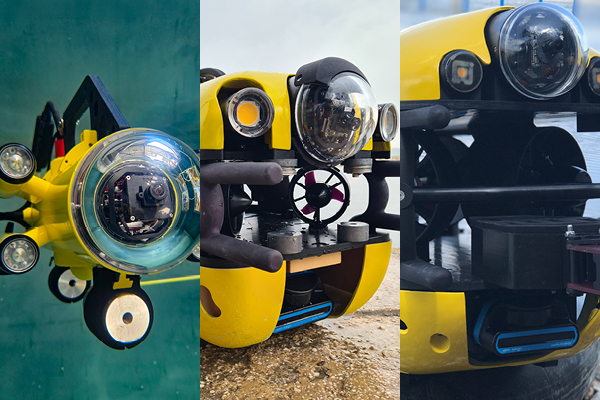
Dam faces and submerged structures
Guardian, Mini TORTUGA, TORTUGA
Our ROVs inspect dam faces, gates and water intakes using HD video and acoustic cameras. An acoustic beacon provides their position in real time.
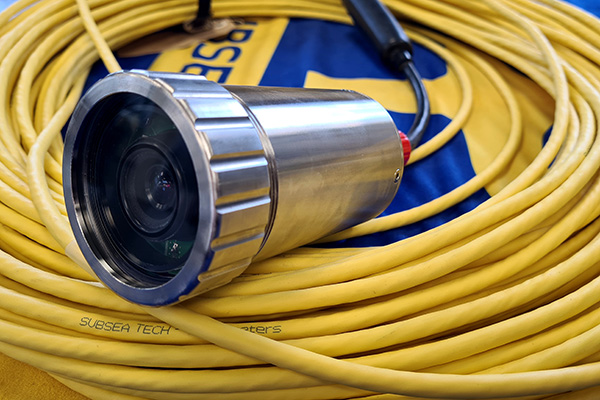
Water intakes and bottom outlets
ROVs, Pipescanner, cameras
ROVs enter flooded conduits. In dewatered sections, the Pipescanner, a motorized crawler, inspects pipes from Ø 330 mm upwards with a pan-and-tilt HD camera, lighting and an optional lidar. Drains and piezometers are inspected with an endoscopic camera.
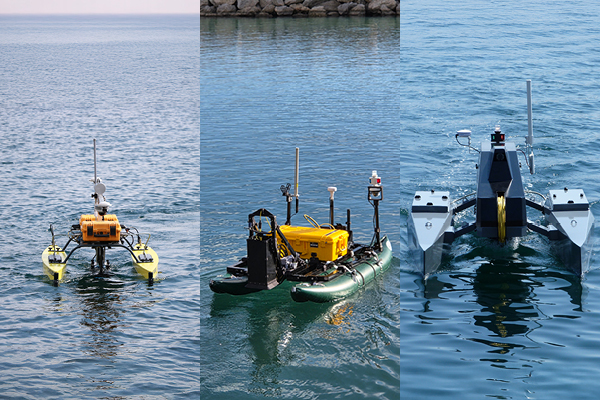
Reservoirs and canals
Catarob, AirCAT, CAT-Surveyor
Our uncrewed surface vessels carry out multibeam bathymetric surveys of reservoirs and canals.
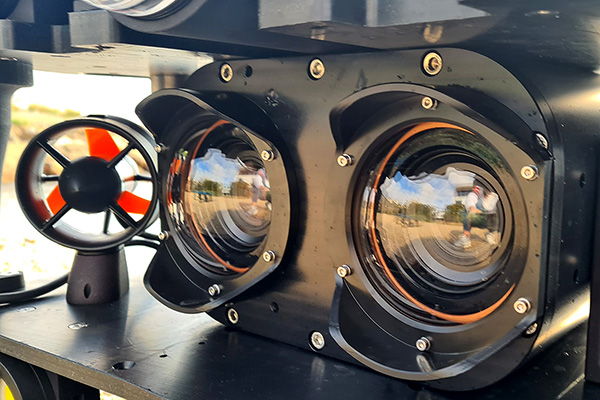
3D modeling and measurements
Photogrammetry, 3D sonar, thickness gauge
Millimeter-accurate 3D models of embedded parts and structures, plus thickness measurements on metal components.
Aerial inspection
Photogrammetry and video
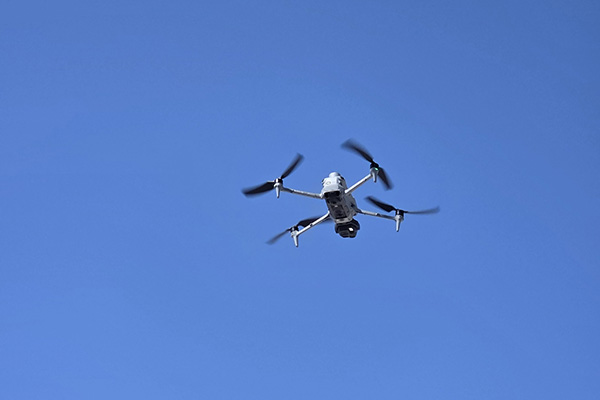
Our aerial drone covers the above-water areas: dam crest, downstream face, spillway and reservoir banks. Video footage is used for visual inspection, while photogrammetry produces a 3D model of the structure.
Use cases and missions
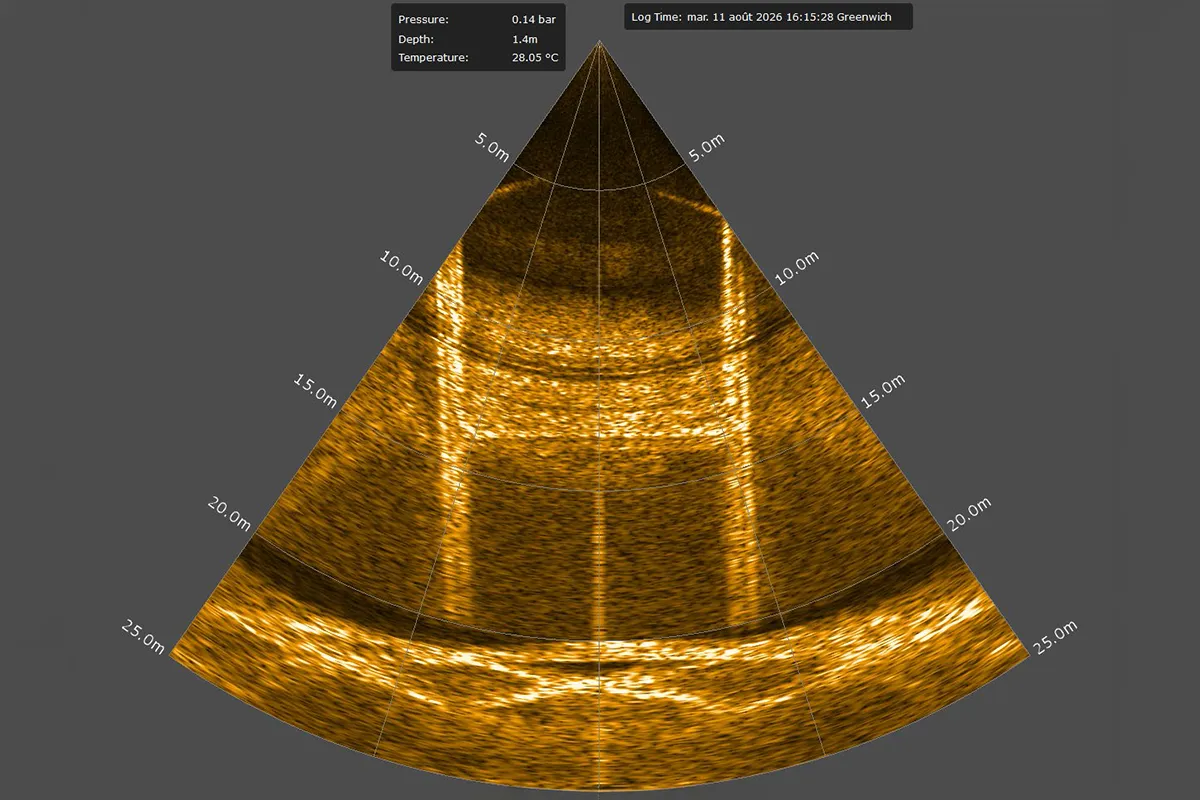
Tractebel · Côte d'Ivoire · 2025 & 2026
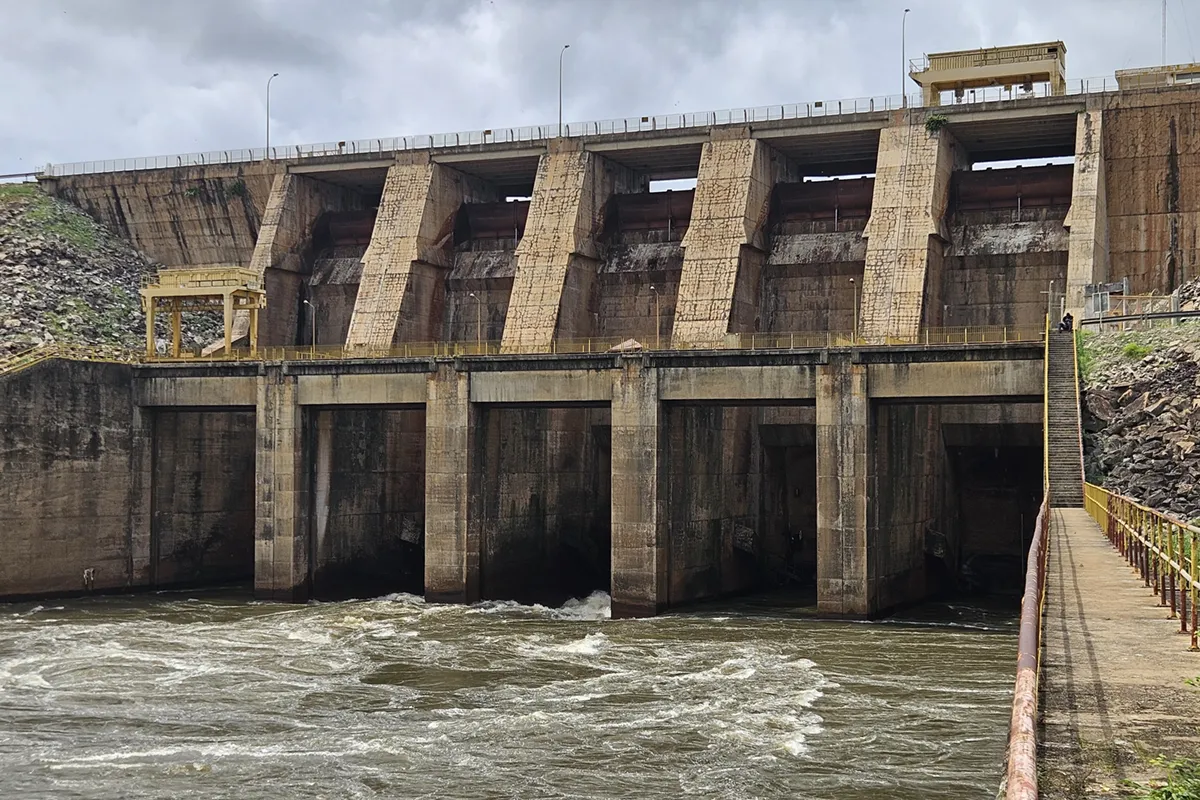
Six hydropower schemes in Côte d’Ivoire: Ayamé I and II, Taabo, Fayé, Kossou and Buyo
Structure
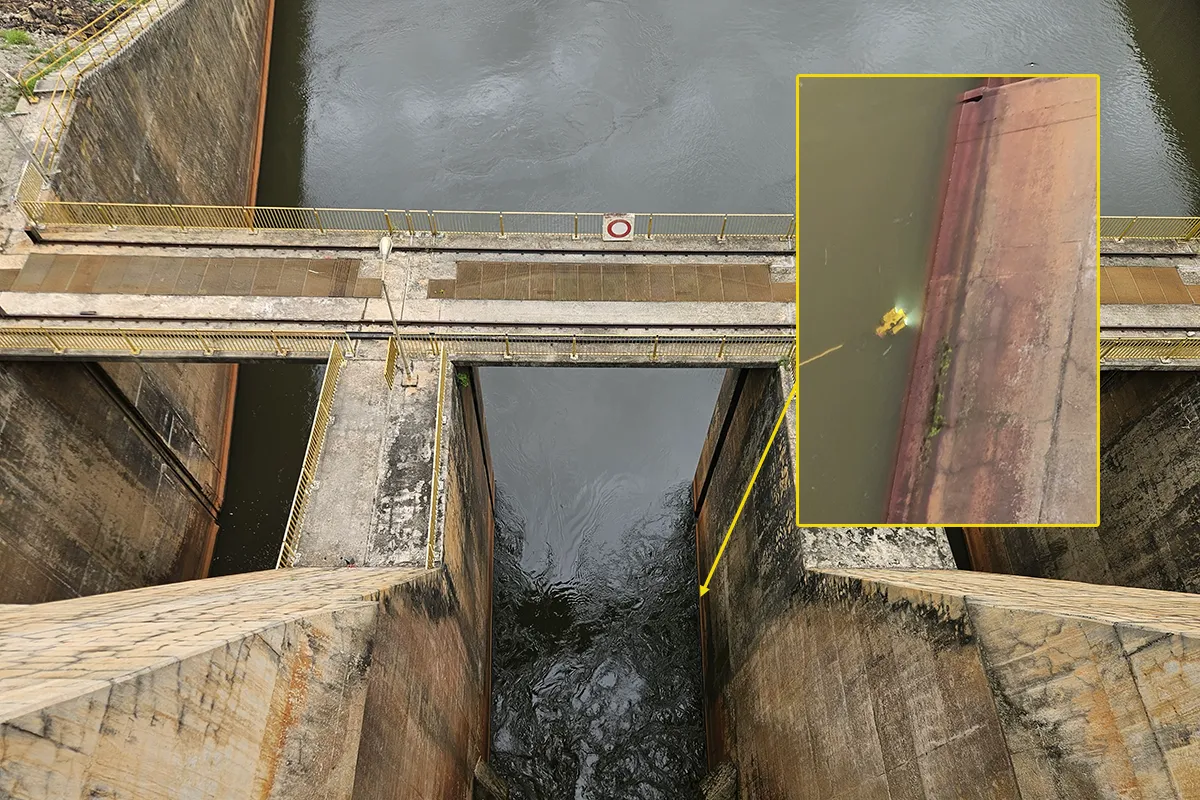
Concrete, earthfill and rockfill dams commissioned between 1959 and 1983. Inspection of water intakes and their trash racks, stoplog slots, bottom outlets, spillways, downstream outlets and upstream faces. Depending on the site, visibility ranged from under 5 cm to 50 cm.
Equipment
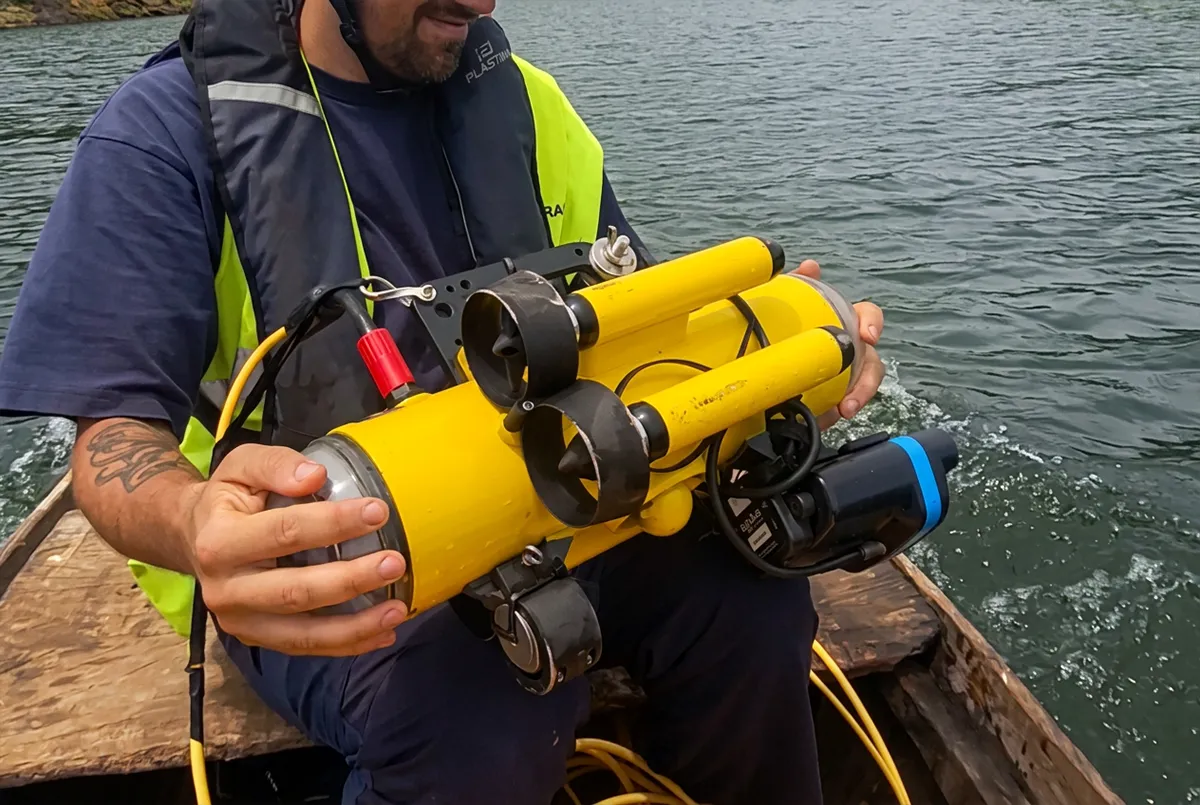
Two Guardian micro-ROVs fitted with an Oculus acoustic camera, which images structures in turbid water. The equipment fits in two 23 kg cases, travels as checked luggage and is deployed by hand. Two campaigns of 2 to 4 days per site.
Expected results
Condition of the civil works and embedded parts of each structure, in video and acoustic imagery. Location and measurement of deposits in front of water intakes and bottom outlets. Data are compared from one site to the next, which helps prioritize maintenance works.
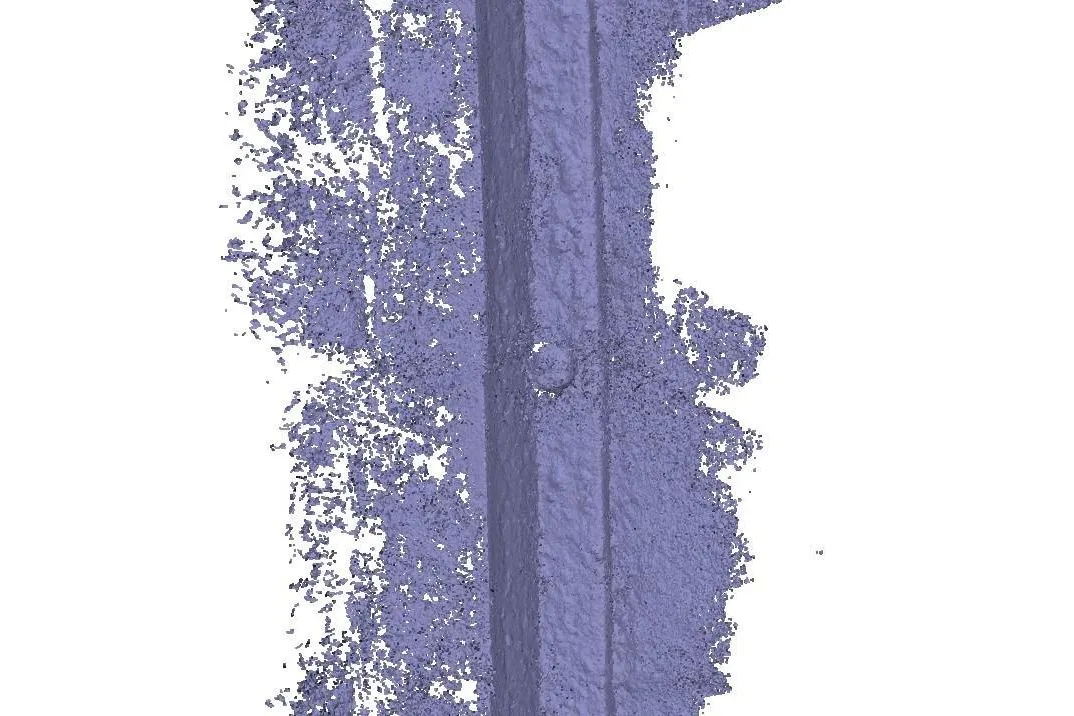
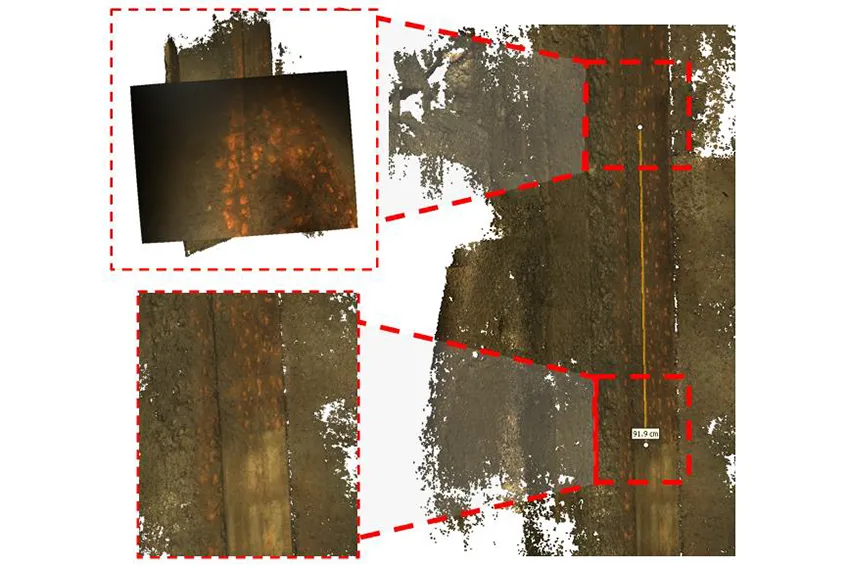
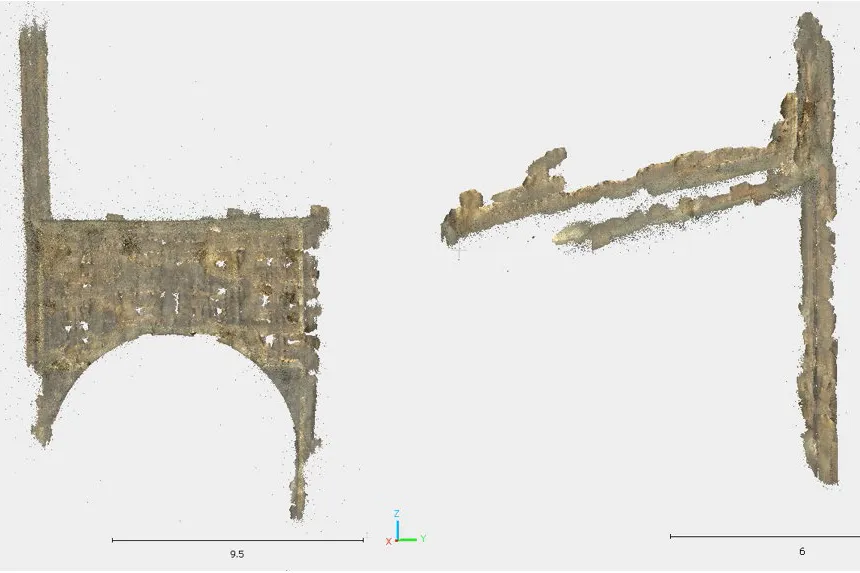
CNR · Rhône hydropower plants · 2022 to 2025
Photogrammetry of gate embedded parts
Structure
Stoplog slots, roller tracks and downstream gate bays in 10 hydropower plants on the Rhône, including Caderousse, Beauchastel, Sablons, Gervans and Chautagne. At Caderousse in 2025, gate slots were surveyed down to 8 m depth, sometimes with only 25 cm of visibility.
Equipment
TORTUGA XP4-HYDRO fitted with the HYDRO 300 photogrammetry system: two synchronized high-resolution cameras and strobe LED lighting on a tilting mount under the ROV. Oculus M3000d acoustic camera for navigation and imaging. Deployed by davit and piloted from the control truck.
Expected results
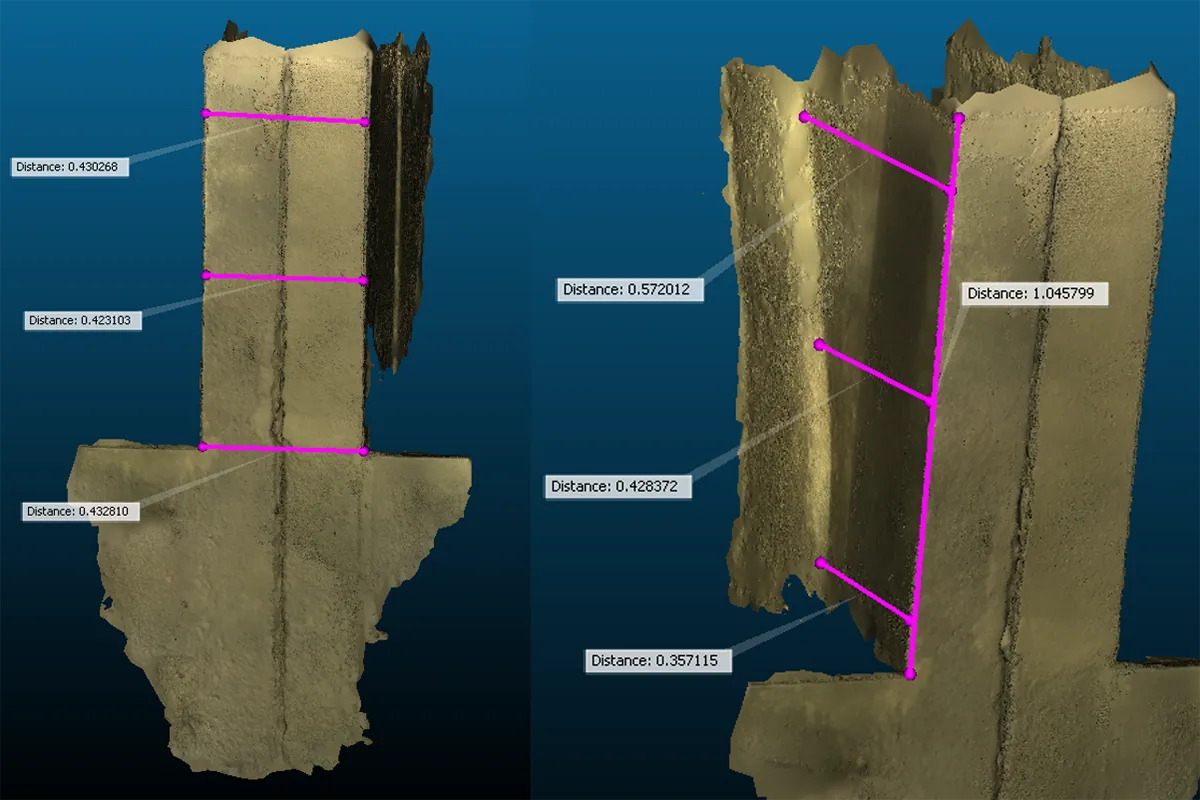
3D model of the rails and civil works of each gate slot, accurate enough for millimeter-level dimensional checks. Location and measurement of defects to assess the scope of repair works.
LEMA (Les Eaux de Mayotte) · Tsingoni, Mayotte · 2026
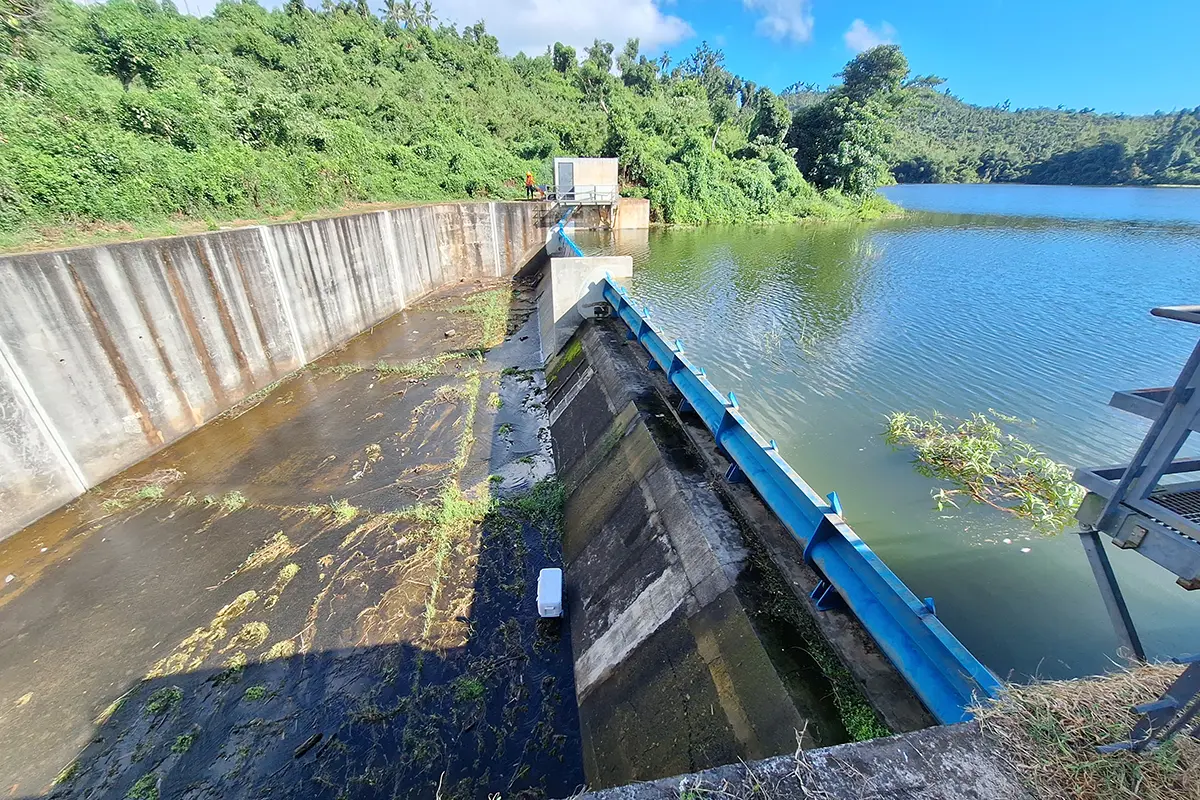
Combani Dam: underwater and endoscopic inspections
Structure
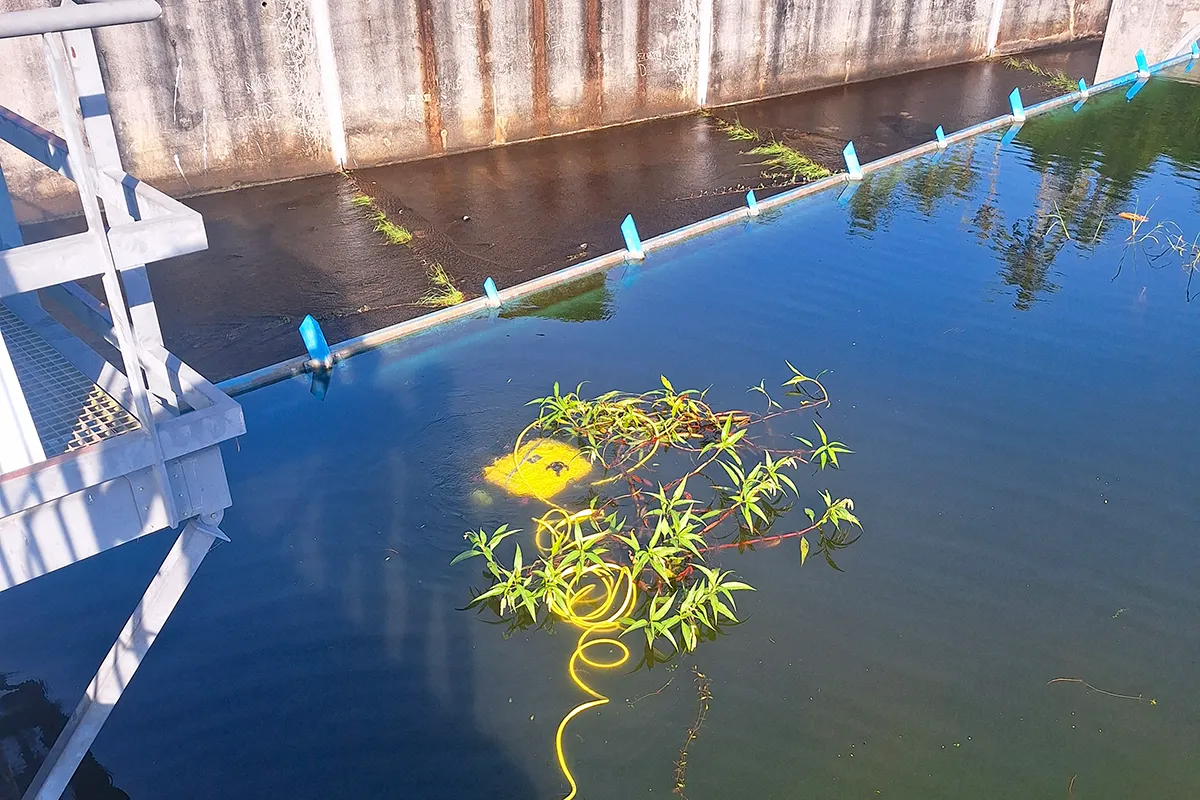
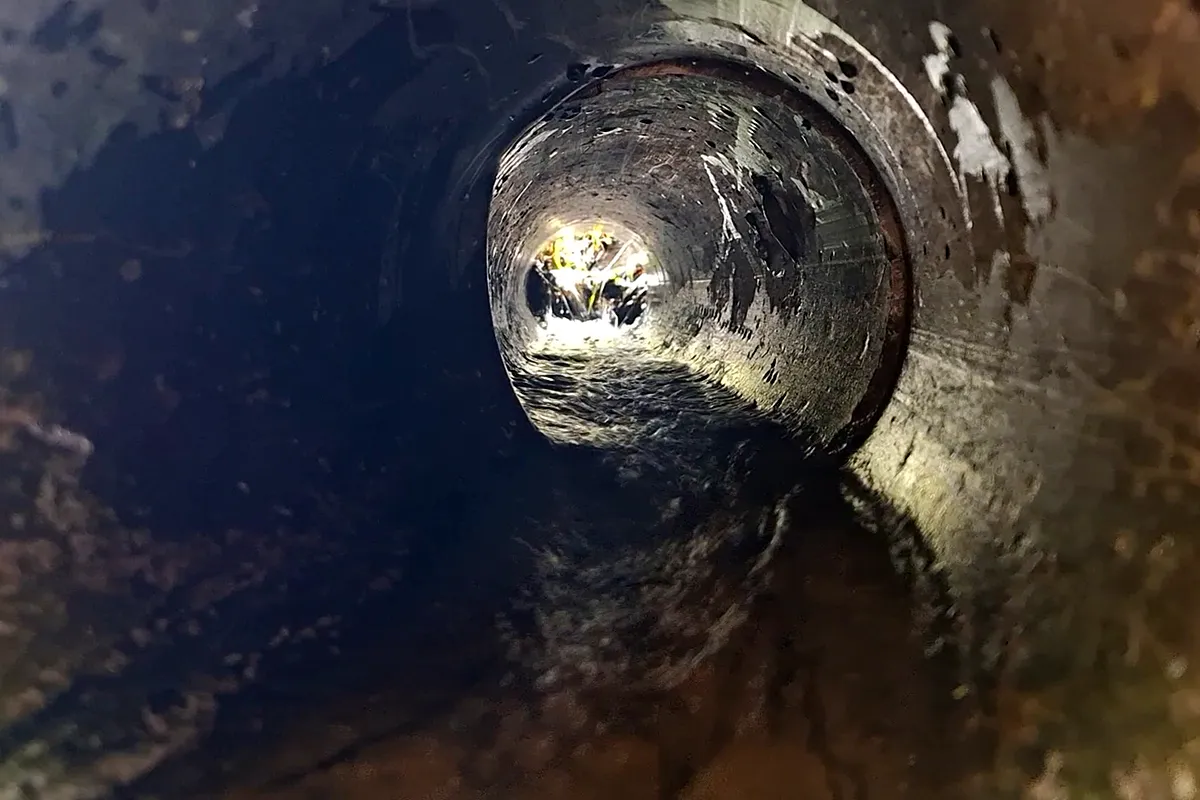
This dam supplies drinking water to northern Mayotte, with a reservoir of about 1.7 million m³. As part of a full diagnostic, all hard-to-reach areas were inspected. Underwater: spillway and its flap gates, bottom outlet inlet and strainer, upstream face. Inside the dam: Ø 200 and Ø 400 mm drainage trenches, drainage strips and piezometers. Visibility of about 70 cm and dense vegetation in the reservoir.
Equipment
Underwater: TORTUGA XP4 with Oculus acoustic camera and HYDRO 300 photogrammetry system, deployed by hand and positioned using an acoustic buoy designed for the mission. In the drains: endoscopic camera, video control unit and motorized crawler for the Ø 400 section. The equipment was shipped to Mayotte, and both inspections took 3 days.
Expected results
Acoustic mosaics and dimensions of the spillway. Condition of the concrete and metal parts of the bottom outlet, and detection of any blockage. Condition of the upstream face and sediment level at the bottom of the reservoir. For each drain and piezometer: diameter, length, elevations, material, water level and position of the screened section.
EDF Hydro · Durance canals · 2023 to 2026
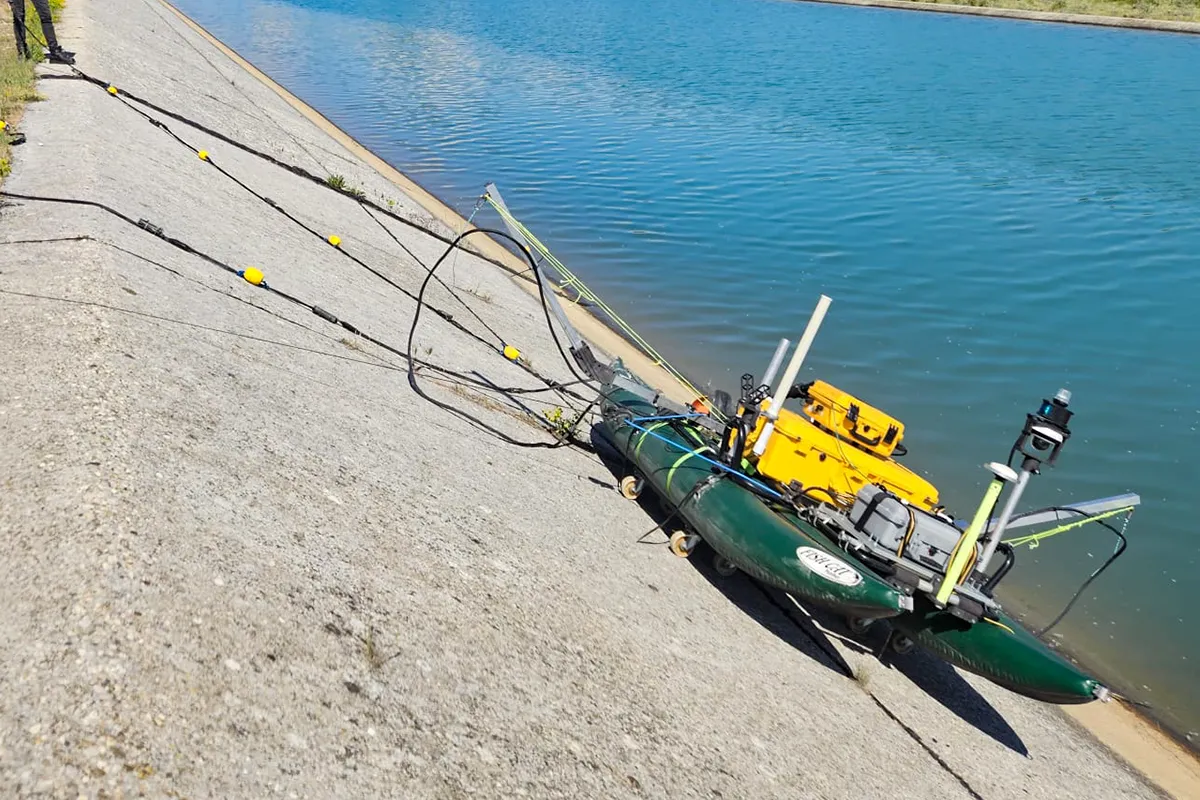
Surface drone for leak detection
Structure
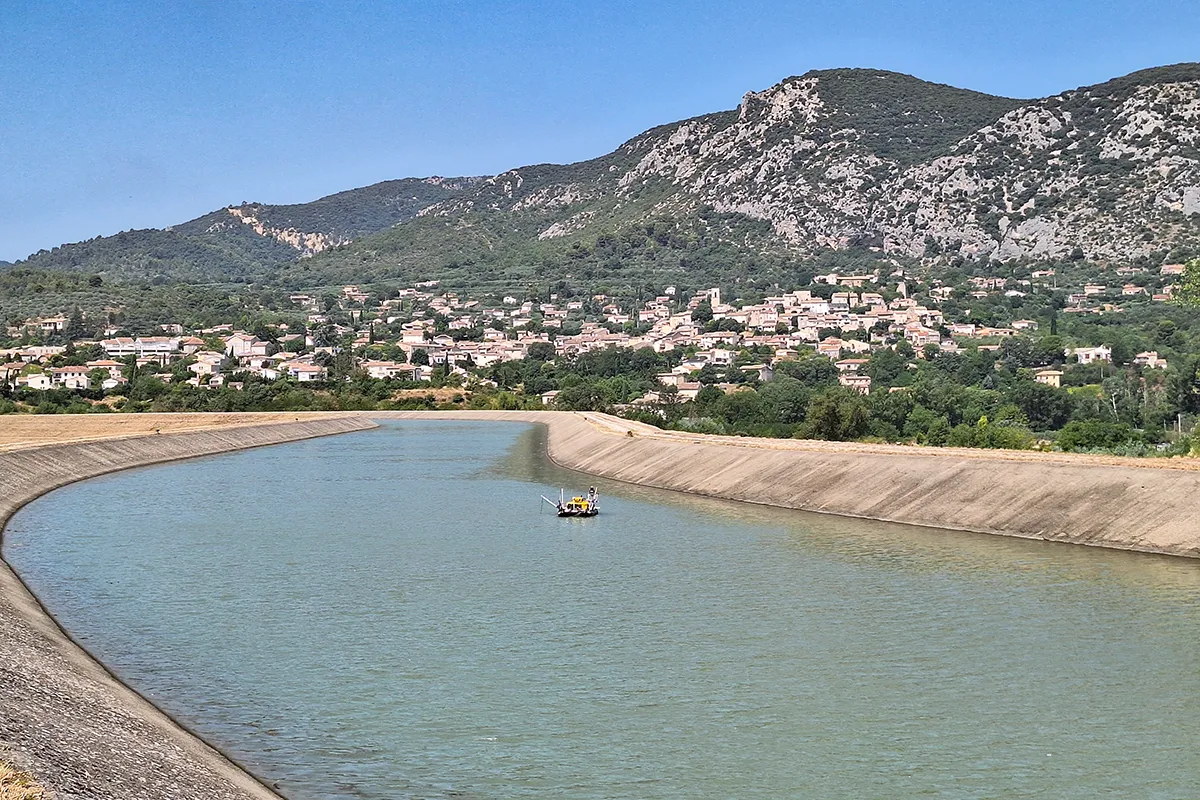
EDF canals at Salignac, Manosque, Beaumont-de-Pertuis, Mallemort and Jouques. At Salignac in 2026, the drone covered 4.5 km of canal, from the water intake to the outlet.
Equipment
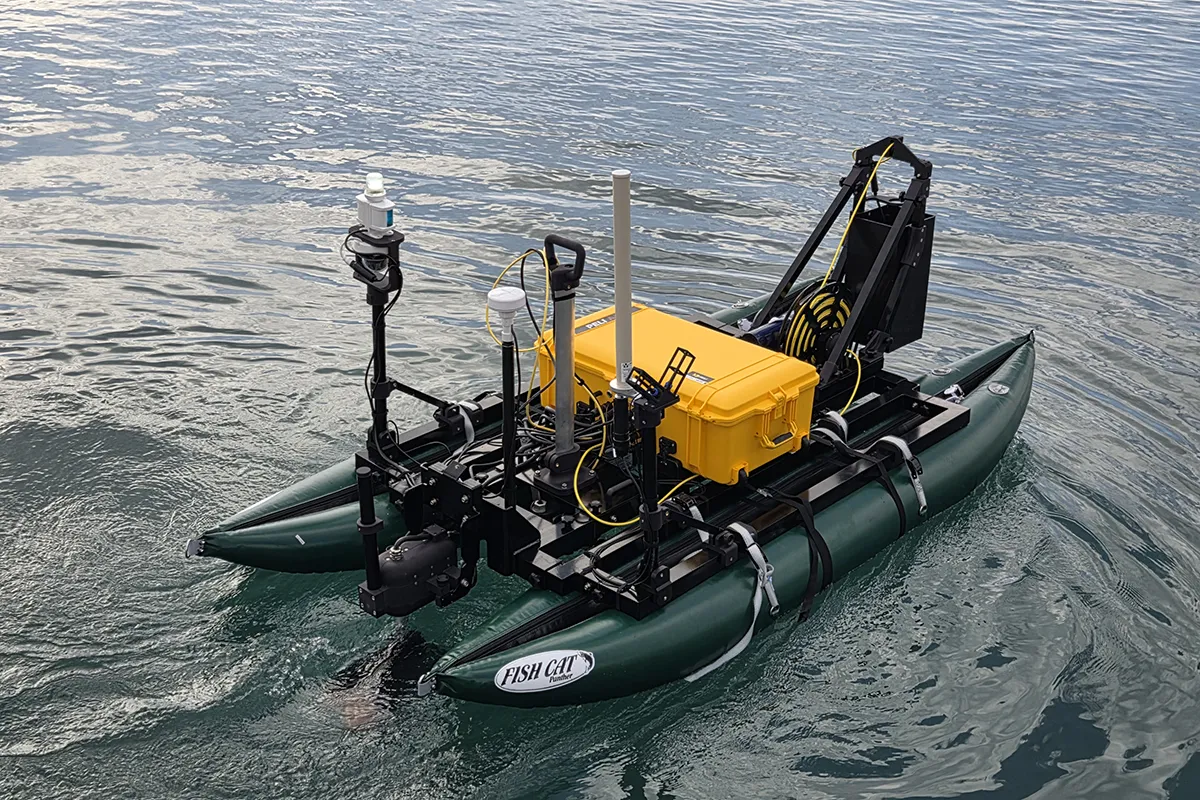
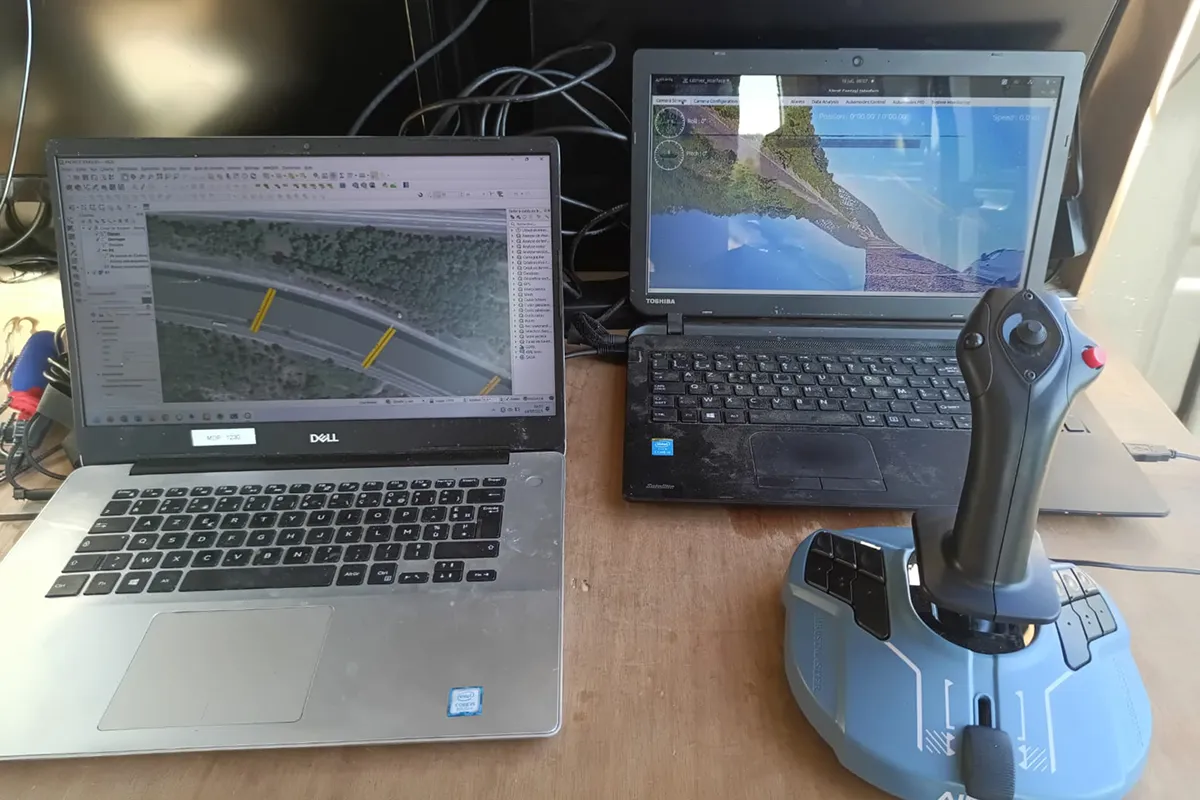
AirCAT surface drone (50 kg, 150 kg payload), piloted from the control truck. It carries the self-potential and acoustic sensors of our partners MAPPEM and GEOPHY Consult, who perform the measurements and process the data. Launched from the bank with a winch, with no lifting equipment needed.
Expected results
Measurements across the full width of the canal along several parallel lines (6 at Salignac). Our partners use the data to locate potential leak zones.
EDF · Cadarache · 2019
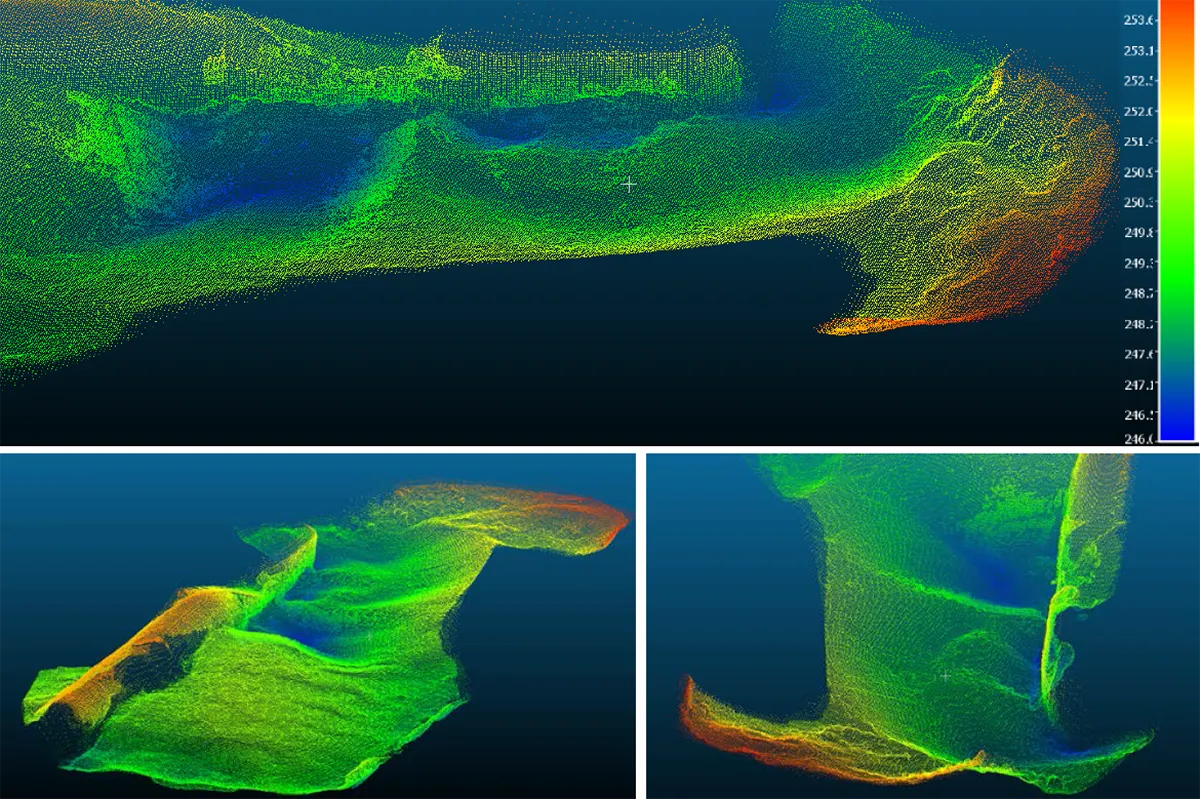
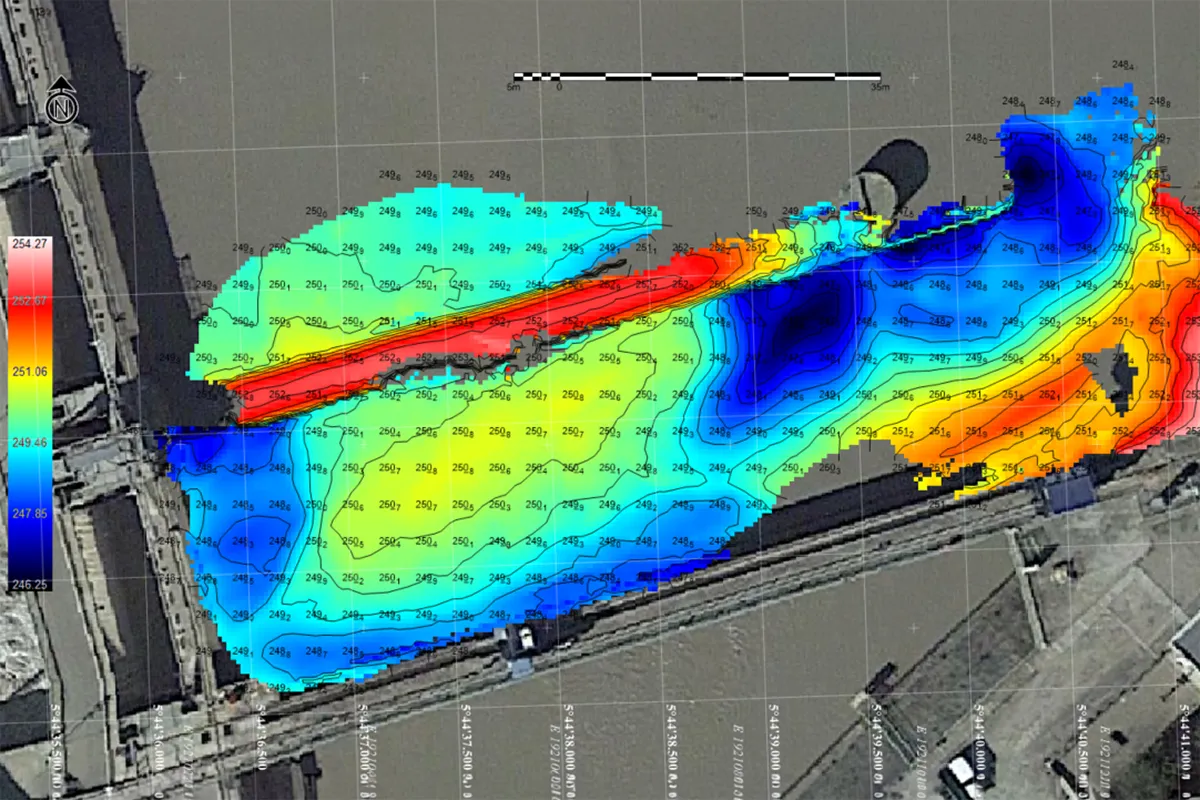
Cadarache Dam: bathymetry after hydraulic flushing
Ouvrage
Cadarache Dam reservoir, upstream of the gravel flushing gate. After a hydraulic flushing operation, EDF wanted to measure its effectiveness. Survey of about 4,000 m², from the inlet channel to gate 1, around the intake of the flushing conduit.
Moyens
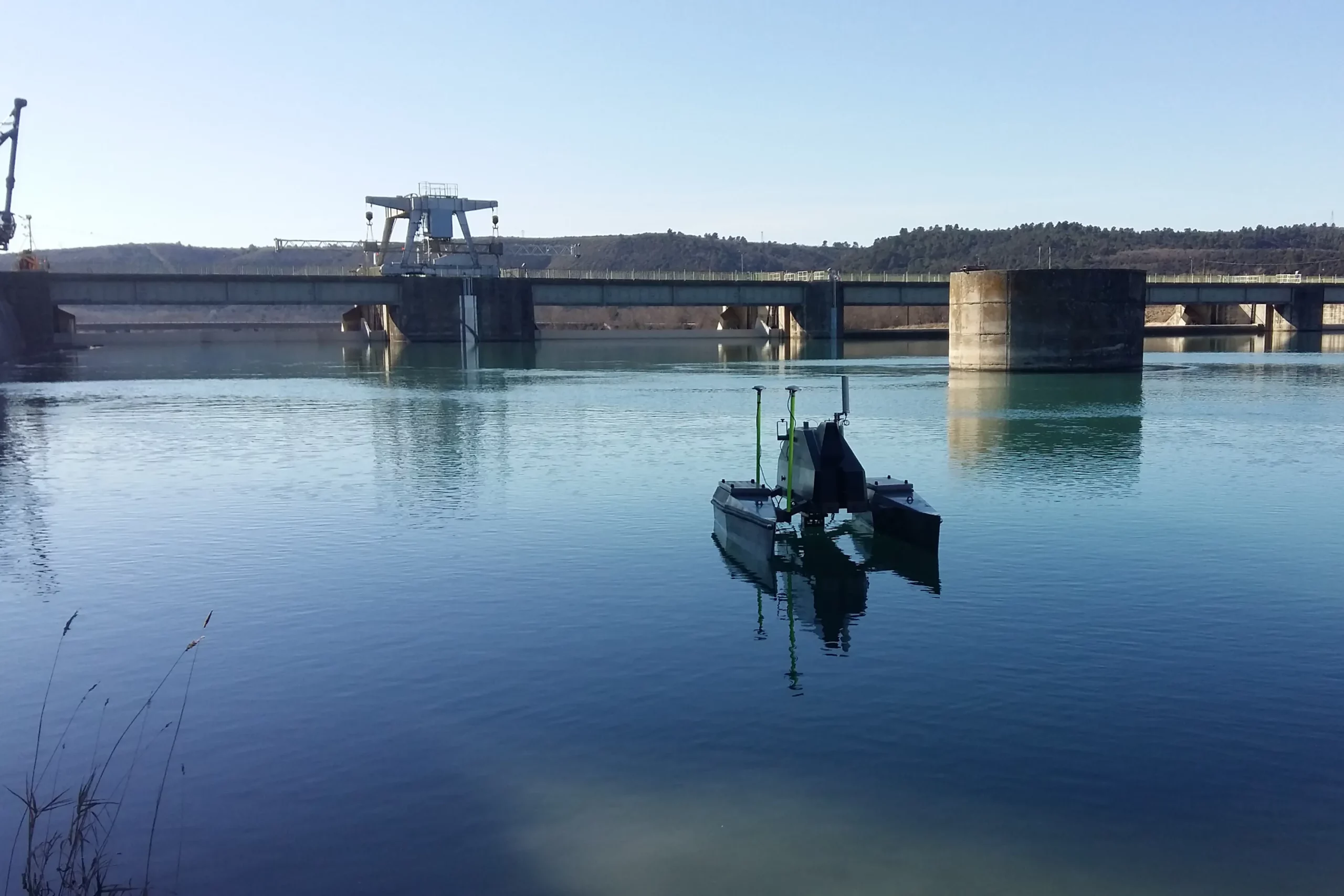
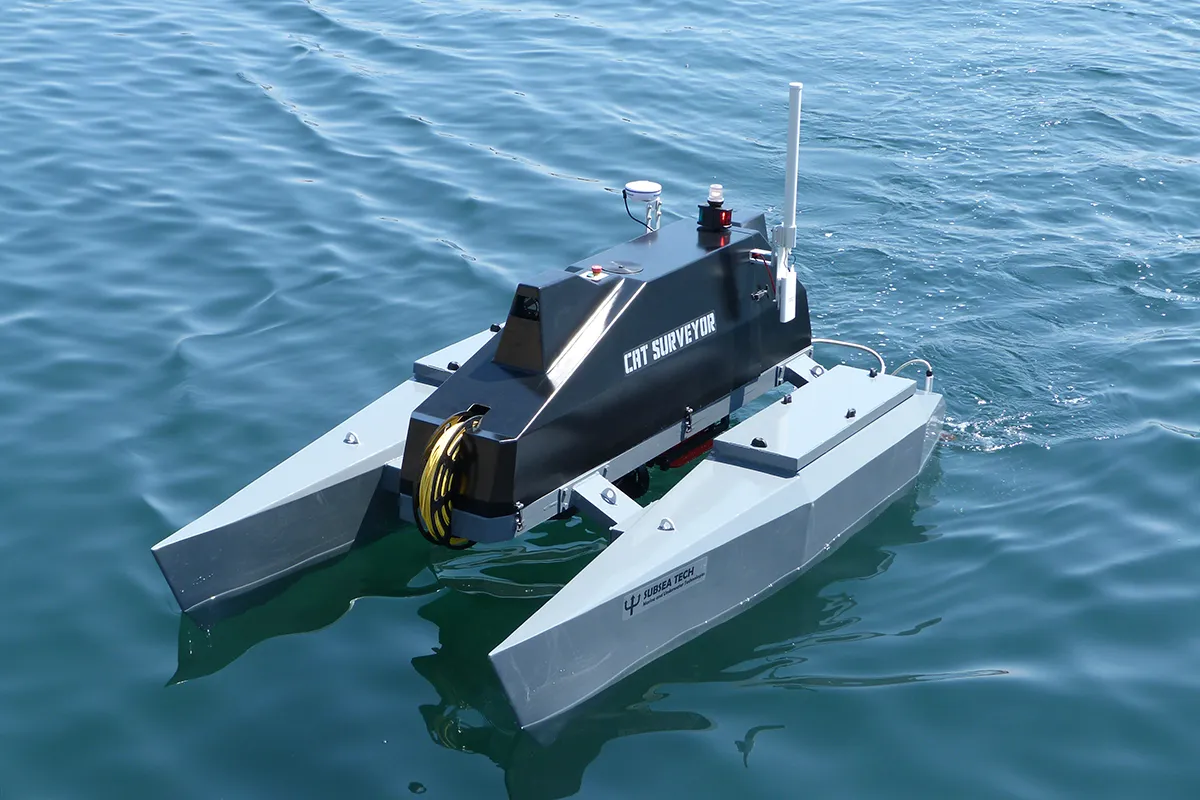
CAT-Surveyor surface drone fitted with a Norbit WBMS multibeam echosounder, a sound velocity probe and a motion reference unit. Centimeter-level RTK positioning and live survey monitoring from the control van. One day on site.
Résultats attendus
3D model and bathymetric map with 50 cm depth contours, XYZ point file at 0.2 m spacing and cross-sections at the water intake. Comparison with the previous survey shows the effect of the flushing and the remaining sediment height in front of the structure.
References
ES Hydro · Saint-Geniez · 2026
3D modeling of the draft tube at the Saint-Pierre power plant
Ginger · Damery (51) · 2025
Dam toe and small gates
CNR · Arles (13) · 2025
Sediment survey in the lock culverts
CNR · Isère · 2025
Sill of fixed-wheel gate no. 2
Techsub · 2024
Bottom outlet of Les Aillettes Dam
CAN · Tarn (81) · 2024
Inspection and upstream bathymetry of La Bancalié Dam
EDF · Drôme (26) · 2023
Forebay of Pizançon Dam
EDF · Sisteron (04) · 2023
Bathymetry and photogrammetry of Saint-Lazare Dam
CAN · Tarn (81) · 2022
Full inspection of Les Cammazes Dam
SIP · Corse-du-Sud (2A) · 2022
Leak detection at Sampolo Dam
Fugro · Lapte (43) · 2021
Full inspection and bathymetry of Lavalette Dam
Tractebel · Maroc · 2020
Inspection of 3 dams on the Oum Er-Rbia river, above and below water
Over 75 dam and reservoir projects since 2010, for public and private clients.
FAQ
Can you inspect water intakes and bottom outlets, both flooded and dewatered?
Yes. Flooded sections are inspected by ROV or micro-ROV, depending on the diameter. Dewatered sections are inspected by our motorized crawler, from Ø 330 mm upwards. It carries a pan-and-tilt HD camera, lighting and an optional lidar.
How do you locate defects?
Our ROVs are fitted with an acoustic beacon that transmits their position in real time to a surface beacon. Each defect is positioned in X, Y and Z to within 10 cm. Inside pipes, where this system does not work, position is given by the distance travelled (using an odometer and umbilical markings), measured to ±1%.
What operating constraints should be planned for?
We only work on parts of the structure that are out of service. On a spillway, for example, we ask for the adjacent gates to be locked out in addition to the one being inspected. On a water intake, the minimum environmental flow must be routed through an isolated conduit.
What do you offer besides visual inspection?
Surface cleaning; paint, water and sediment sampling; thickness measurement of metal components; 3D modeling; bathymetry; and, with our partners, leak detection on canals.
Request an inspection
Please fill in the form below to receive a quote or more information. Fields marked with (*) are required.
