
Services > Missions
Environmental studies
- Monitoring of fauna/flora
- Wreck inspections
- Physicochemical measurements
Environmental monitoring of natural and artificial reefs using underwater photogrammetry
Wageningen Marine Research – Stellendam / Scheveningen, Netherlands – 2025
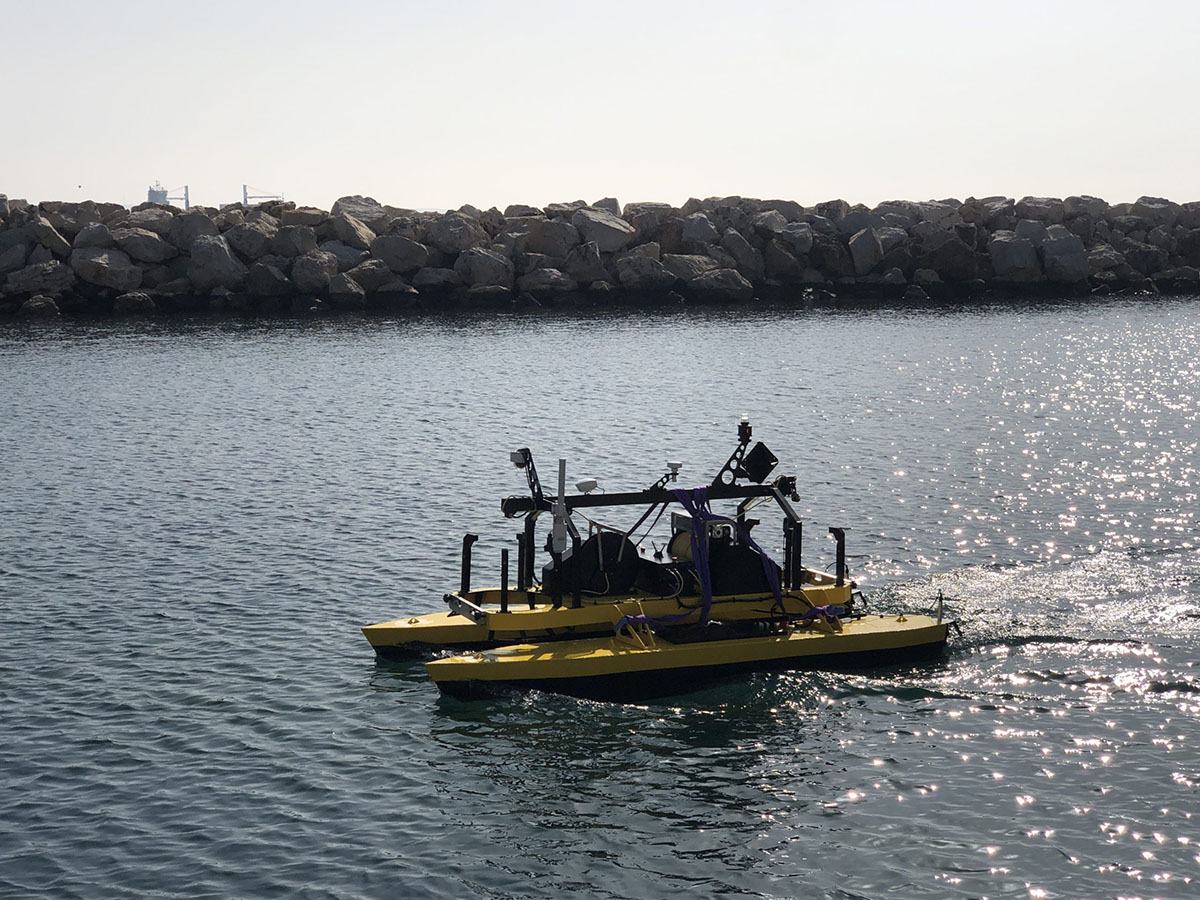
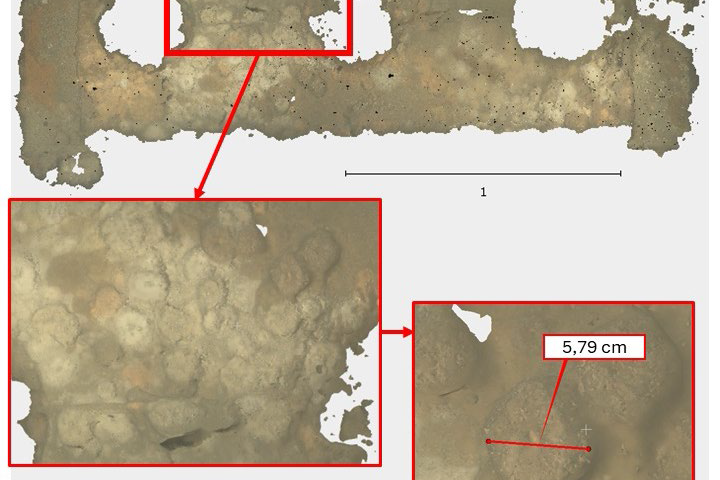
Wageningen Marine Research called on Subsea Tech to assess the condition of natural and artificial reefs as part of an environmental monitoring initiative. The objective was to document the presence and health of marine species across two distinct sites through photogrammetric surveys, under varying current and turbidity conditions.
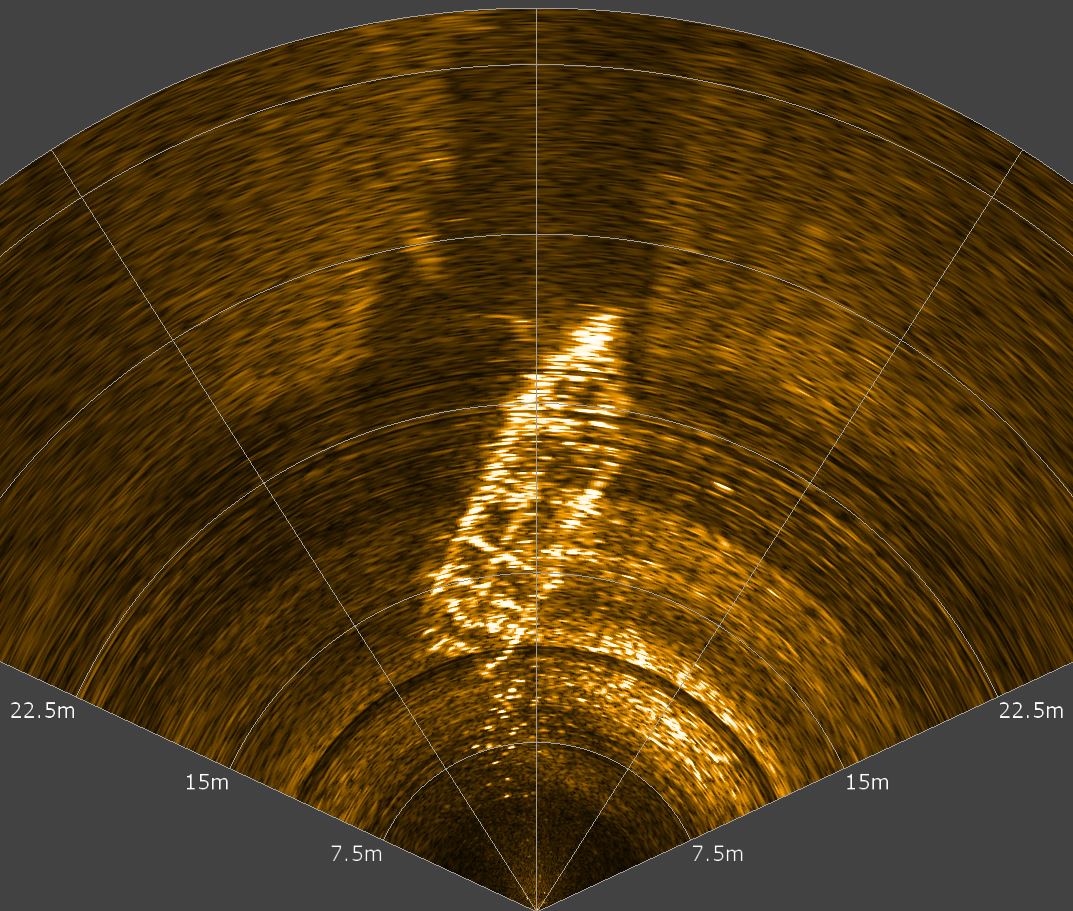
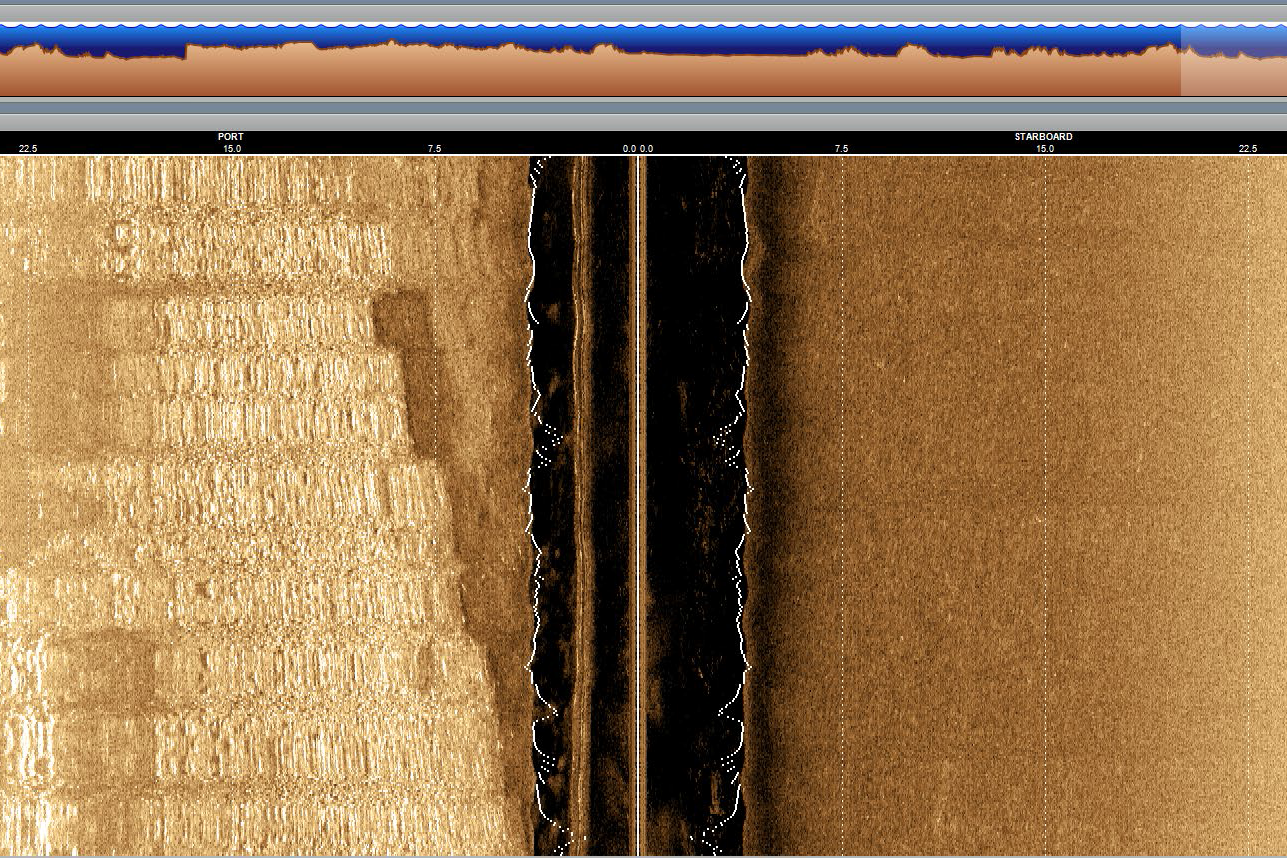
Subsea Tech deployed the TORTUGA XP4-HYDRO ROV (operational depth down to 300 m), equipped with IVM Technologies' HYDRO300 photogrammetry system: two synchronized high-resolution cameras paired with a 100,000-lumen LED lighting system, delivering sub-millimeter accurate 3D reconstructions. An Oculus M750d sonar (120 m range at 750 kHz, 2.5 mm resolution at 1.2 MHz) facilitated target tracking in reduced visibility. A trial run with a StarFish 990F side-scan sonar completed the setup.
The mission successfully produced actionable 3D models across both sites and confirmed the system's ability to operate effectively in high-turbidity conditions, while validating the benefits of side-scan sonar for substrate differentiation.
Recovery of a glider stranded at a depth of 200 m
ALSEAMAR – Île du Levant, France – 2024
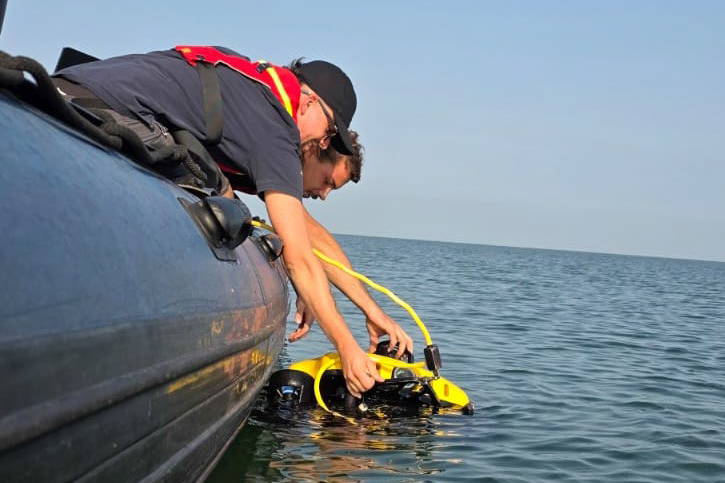
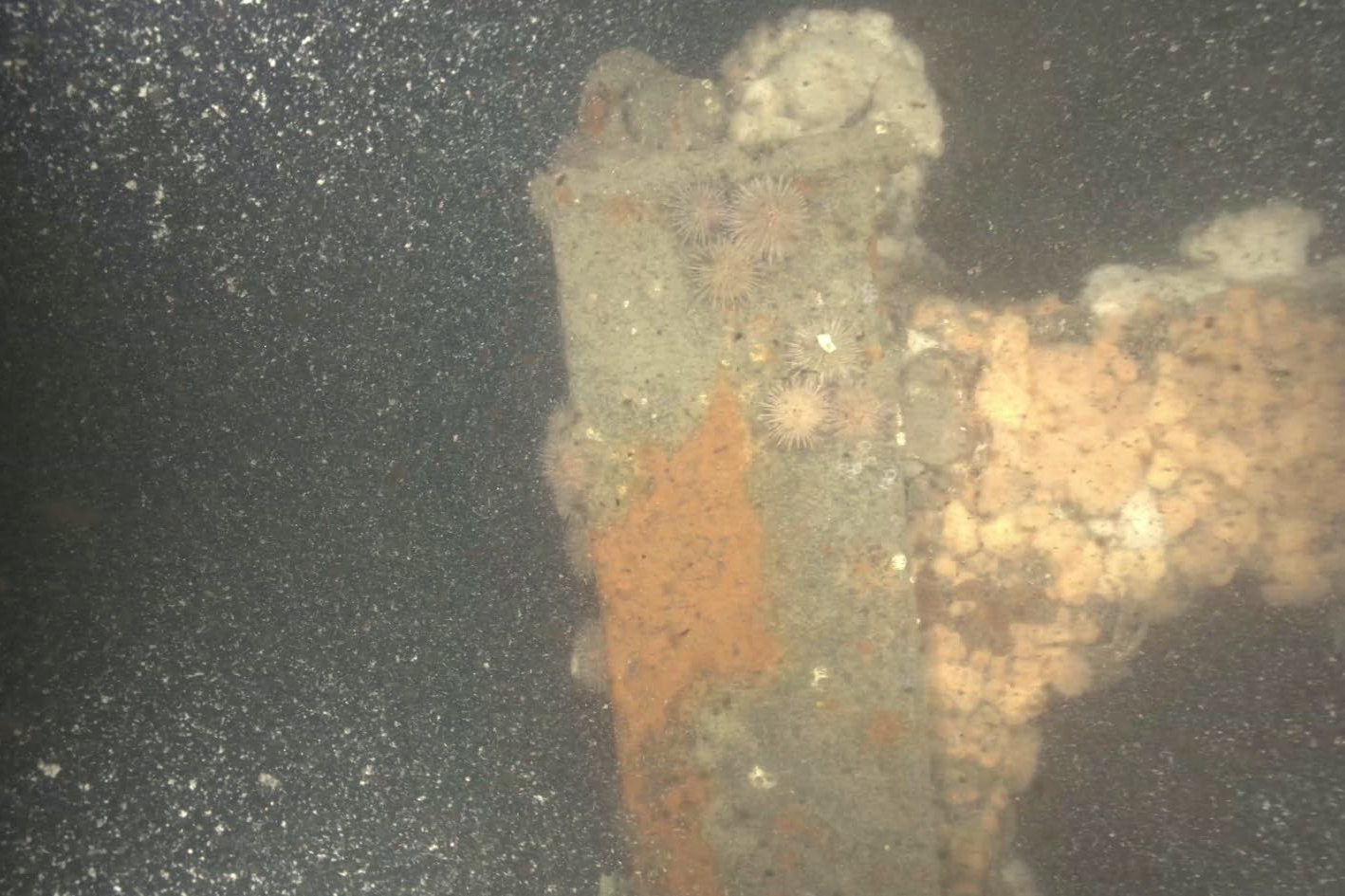
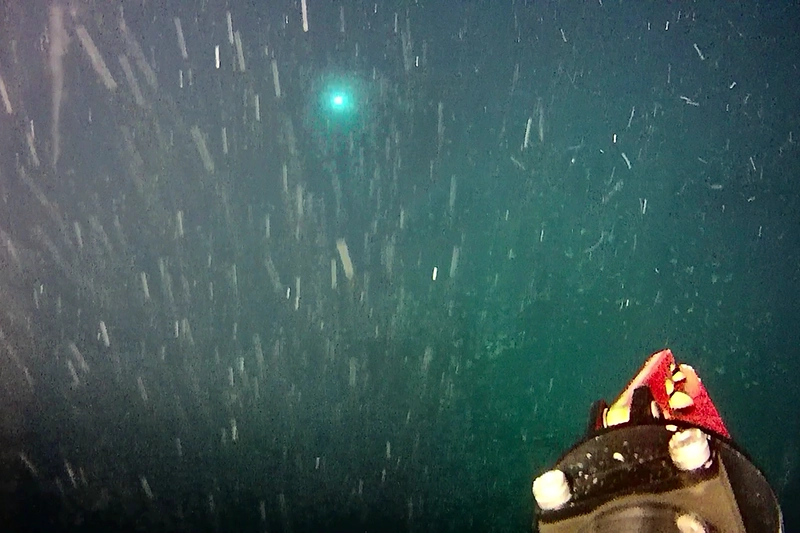
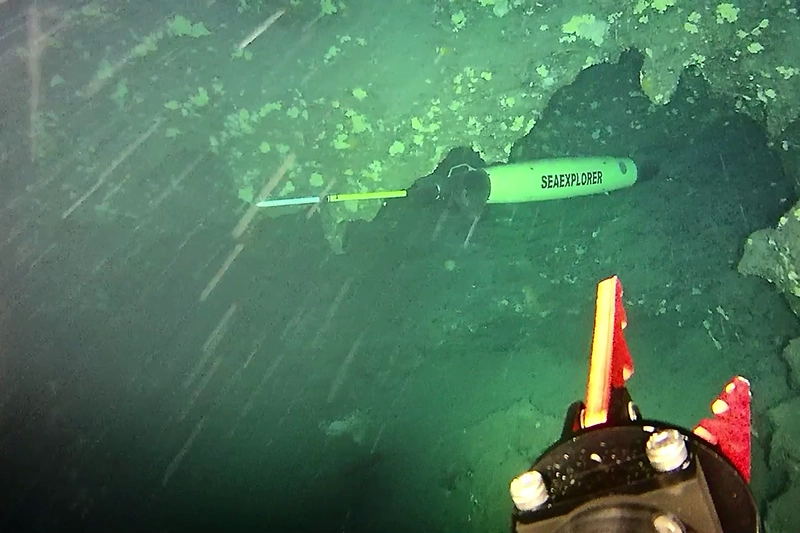
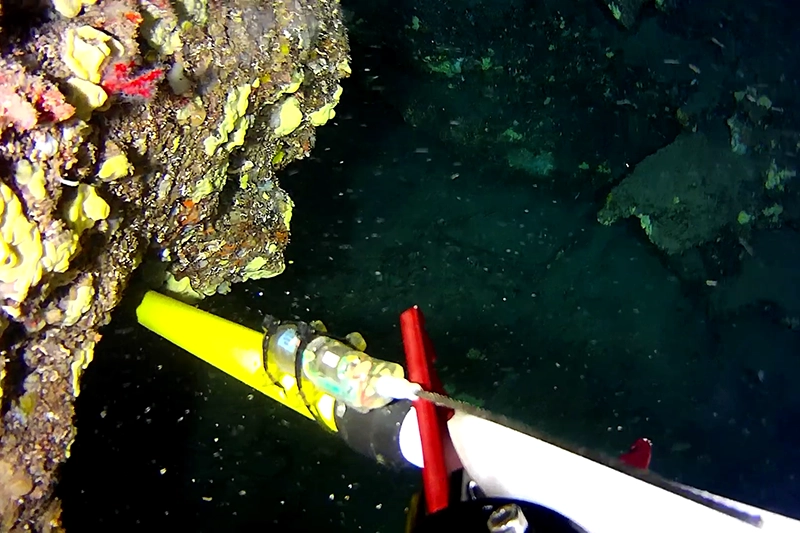
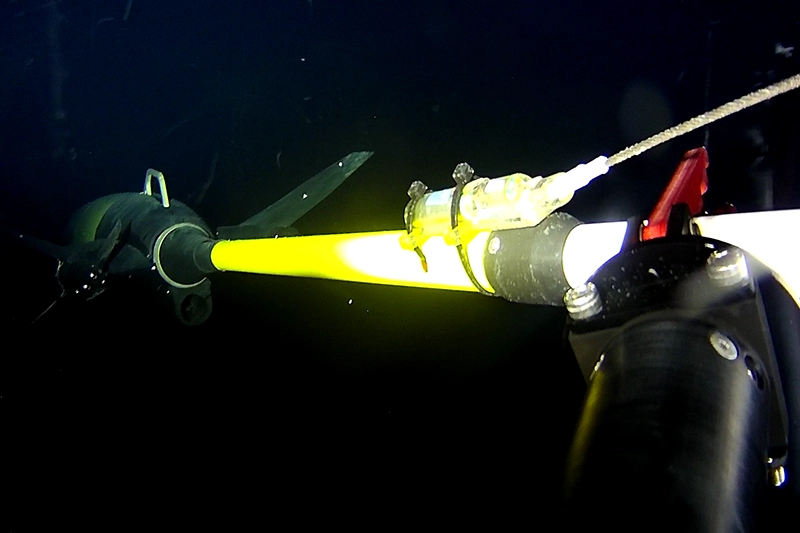
ALSEAMAR called upon Subsea Tech to recover an oceanographic glider stranded at a depth of 200 meters off the coast of Île du Levant. The mission involved two major constraints: significant depth requiring a tailored umbilical cable and dedicated power supply, and zero visibility on site (pitch blackness), making direct visual identification of the vehicle impossible.
Subsea Tech deployed the Mini TORTUGA ROV, equipped with a DVL for navigation in the absence of visual landmarks, connected via a 400 m umbilical to its control console, and powered by a 4 kW generator. The ROV was fitted with a single-function manipulator arm for gripping the glider, alongside a Blueprint Subsea Oculus M750d sonar to locate the target in zero-visibility conditions. Positioning and tracking throughout the operation were provided by a SeaTrac USBL underwater acoustic positioning system.
This combination of acoustic navigation tools and teleoperated gripping enabled the team to successfully locate and recover the glider despite the complete lack of visibility.
Inspection of the seabed off Saint-Pierre coast
SUEZ - Saint-Pierre (Martinique), France - 2020
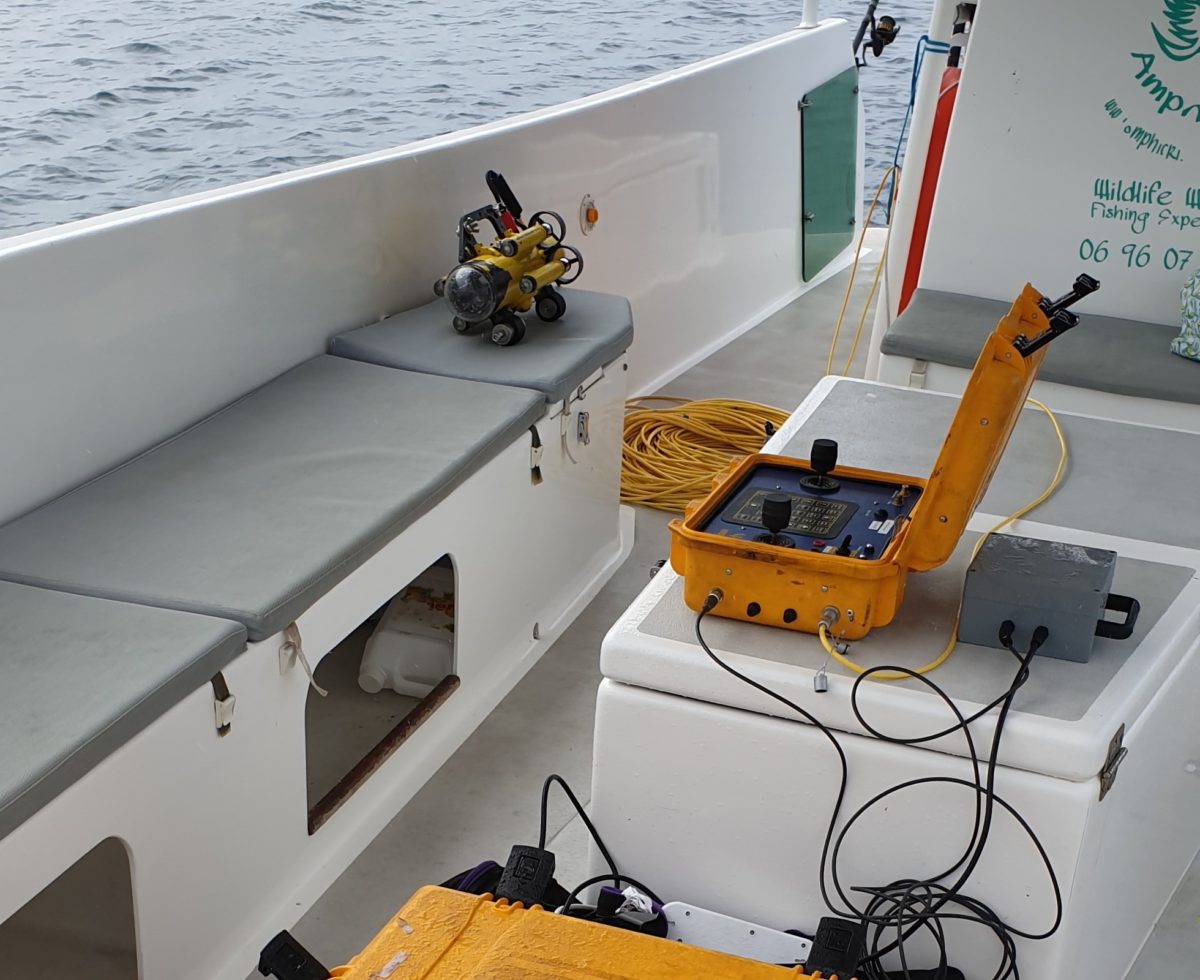
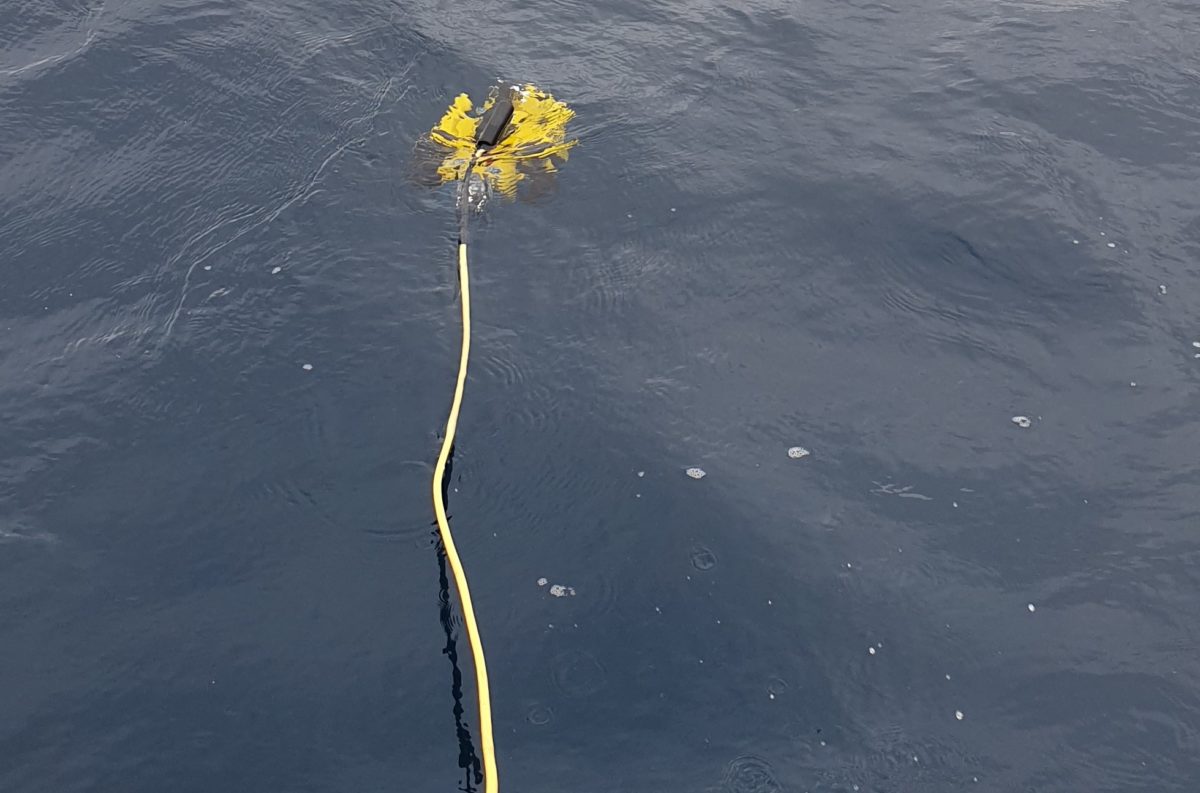
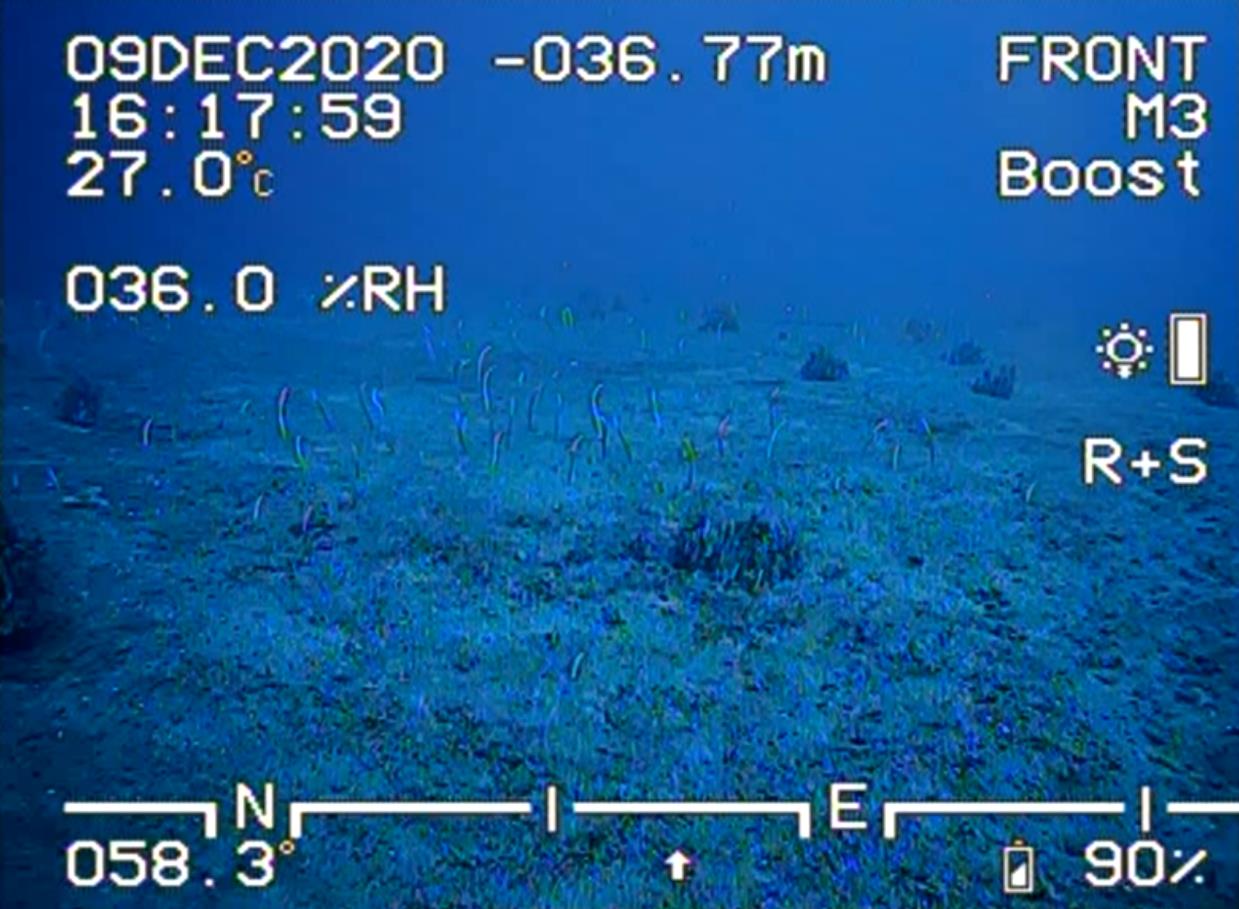
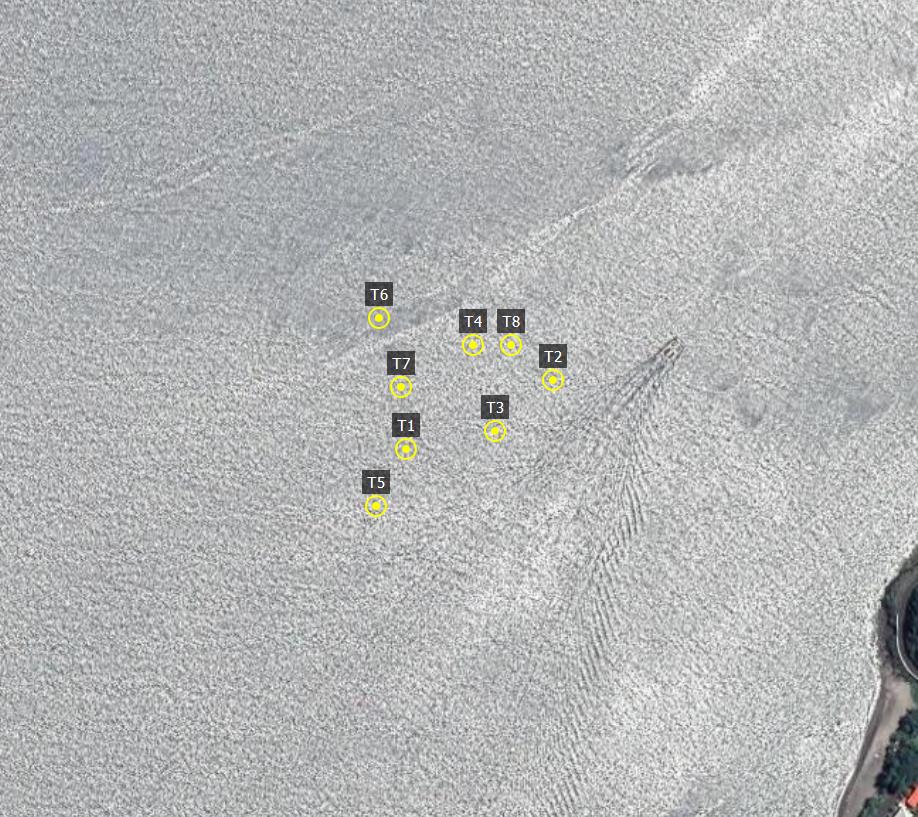
SUEZ Antilles and Guyana (Safege) contracted Subsea Tech to carry out a visual ROV inspection of the seabed by transects in a defined area in the bay of Saint-Pierre. The objective of this study was to identify the different types of seabed and habitats in order to determine immersion zones for future moorings. The inspections took place in the southern part of the bay of Saint-Pierre and were conducted from a light boat, an operation that was made possible thanks to the compactness and lightness of the Guardian mini-ROV used for the occasion. The mini-ROV was equipped with a USBL SeaTrac acoustic positioning system (Blueprint Subsea) allowing to follow its course on a PC.
The excellent visibility and the weak current on the area facilitated the operations and allowed to carry out 8 transects over 50 to 70m distances in only one day in the defined exploration area.
Location and inspection of a wreck in the Gulf of Saint-Tropez
Experts & Consultants - S-Tropez (83) - 2019
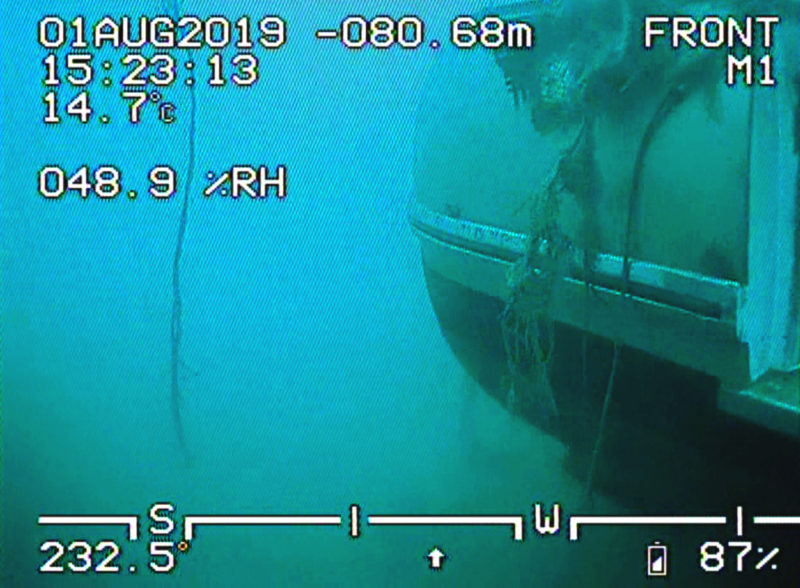
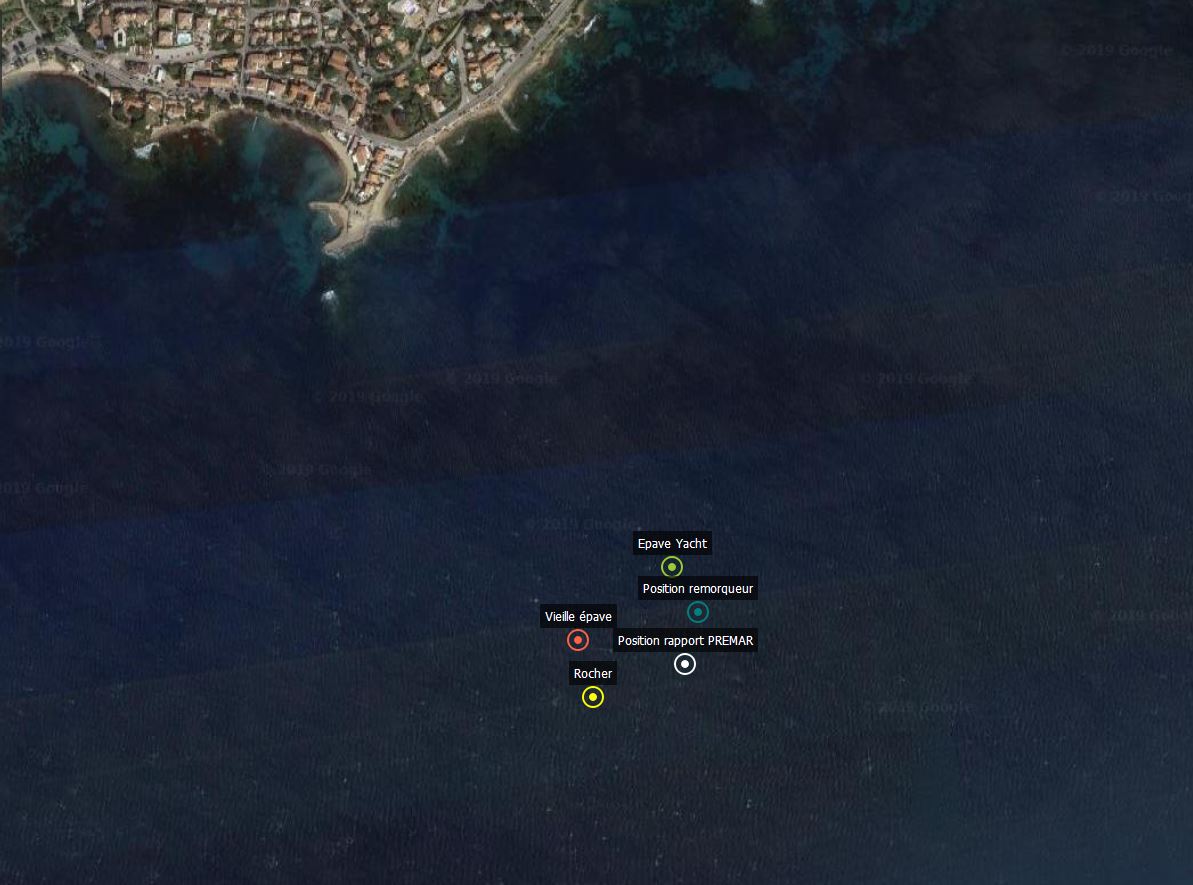
A yacht had an unfortunate experience when a fire broke out on board and it sank in the Gulf of Saint-Tropez. Subsea Tech was called in by the mandated surveyor to conduct an inspection of the wreck to obtain information on its overall condition. The first step was to relocate the target based on the GPS coordinates provided by the surveyor.
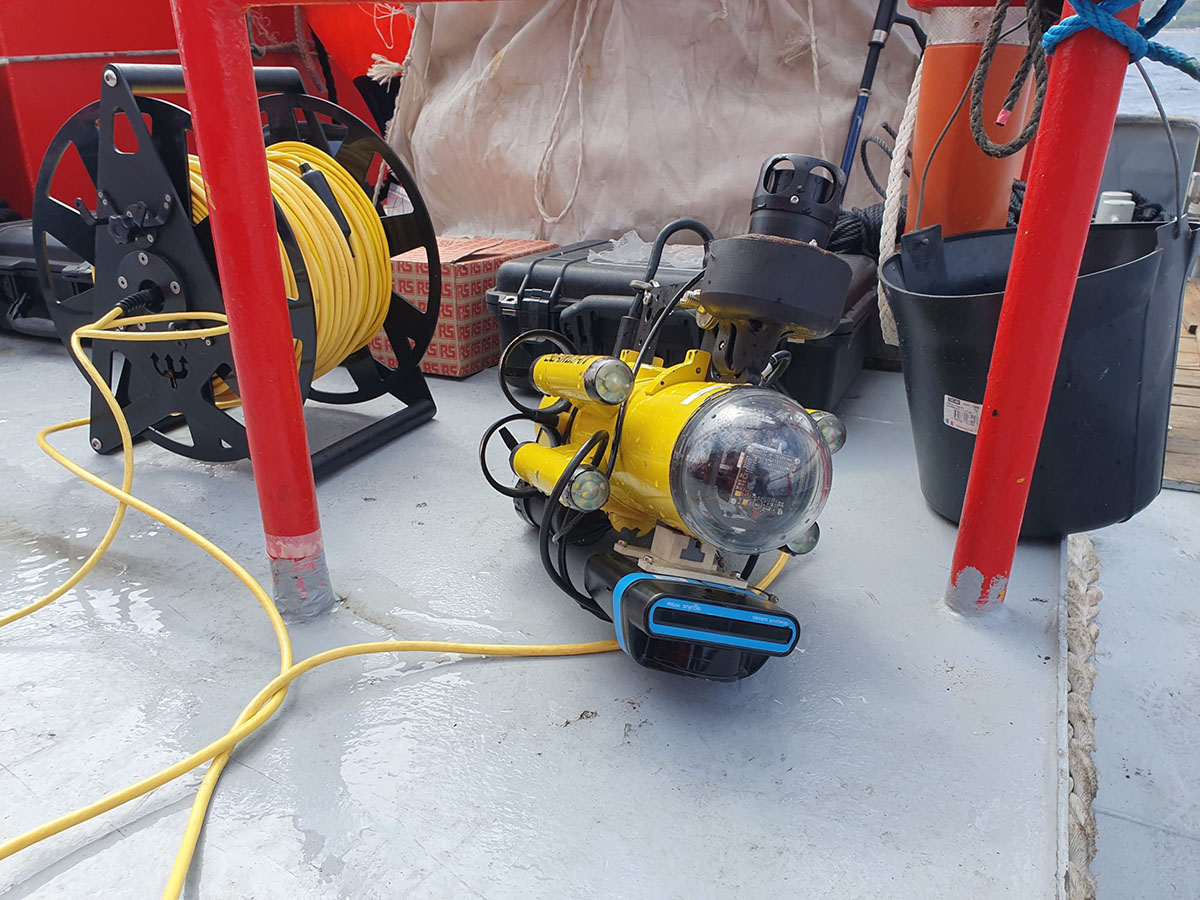
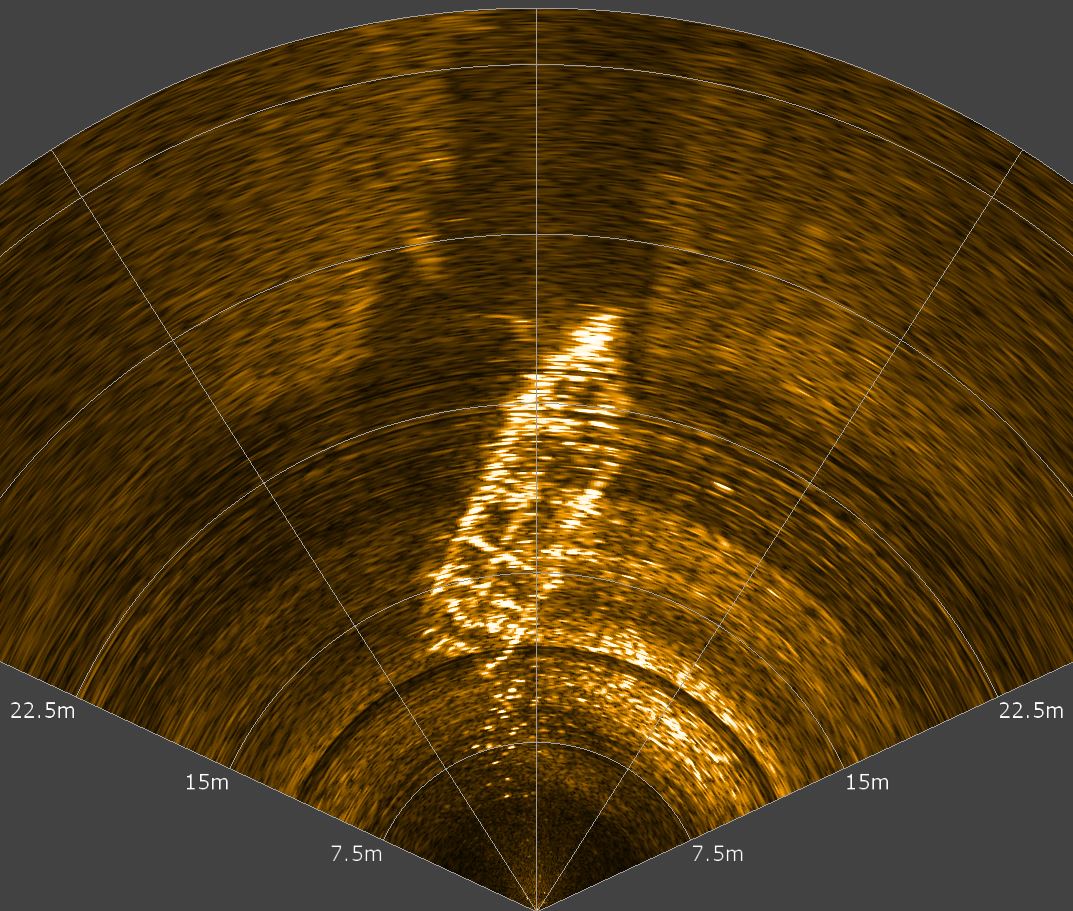
Our ROV pilot used the Mini-ROV Guardian on which he integrated an Oculus M750d multibeam sonar and a USBL SeaTrac acoustic positioning system. On the third dive, the wreck was located at 80m depth and the video inspection could begin. When the boat was first sighted with the sonar, we immediately thought that the deck was missing, which was confirmed by the video. The hull was globally intact but all the interiors were gone. The inspection also determined that no fuel leaks had occurred.
Inspection of a sea outfall in the bay of Ajaccio
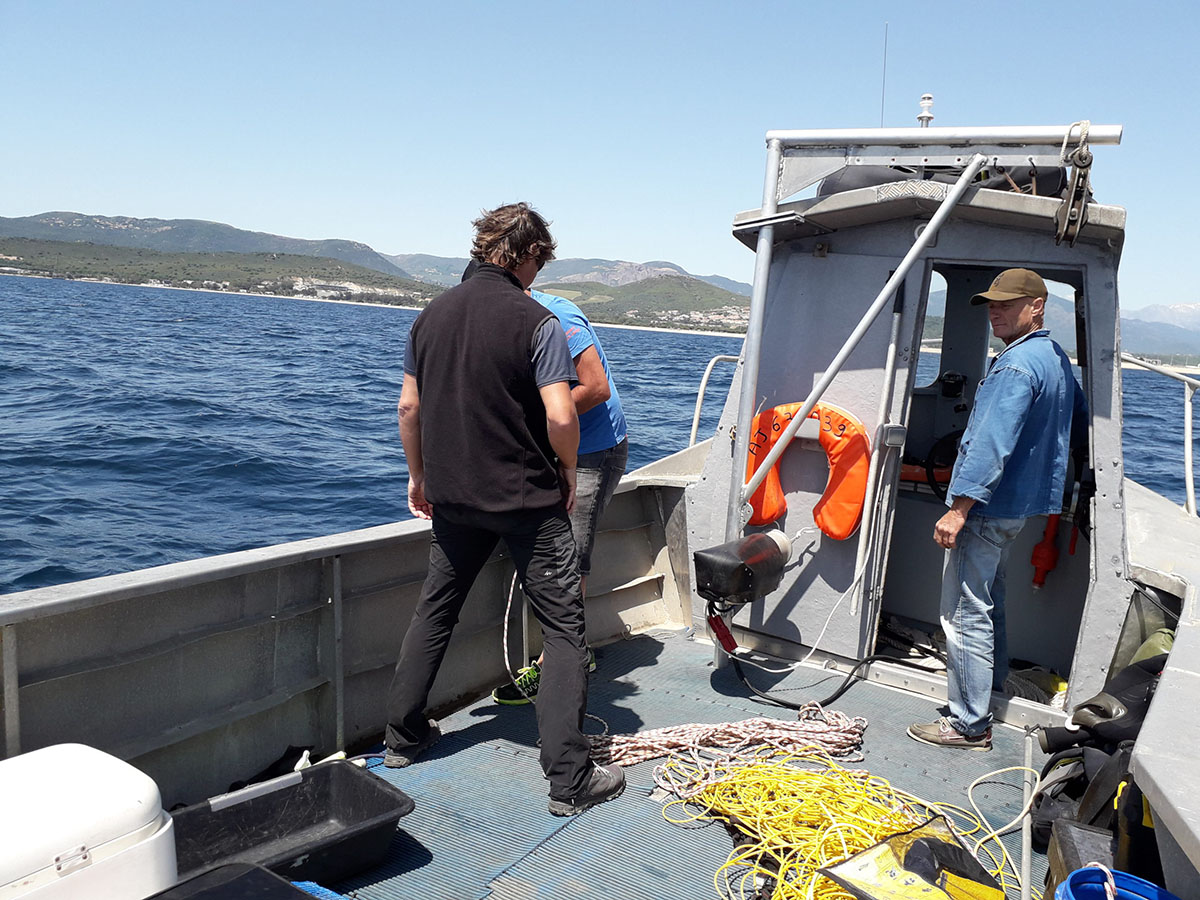
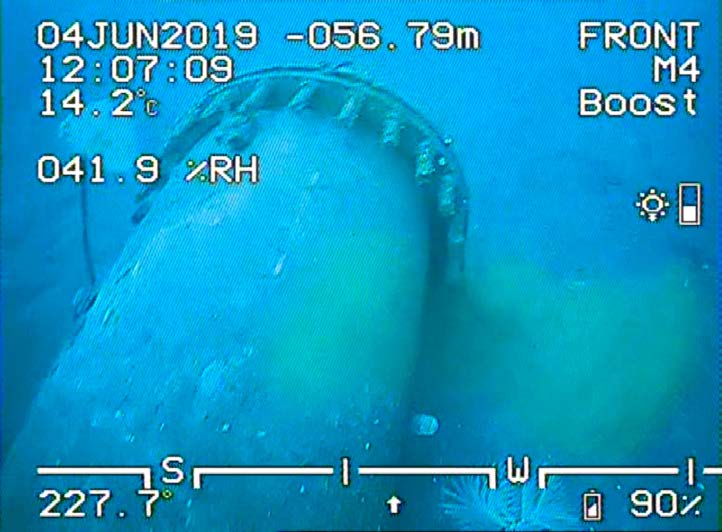
CREOCEAN - Ajaccio (2B) - 2019
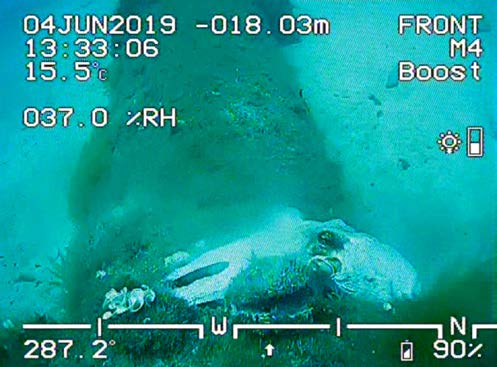
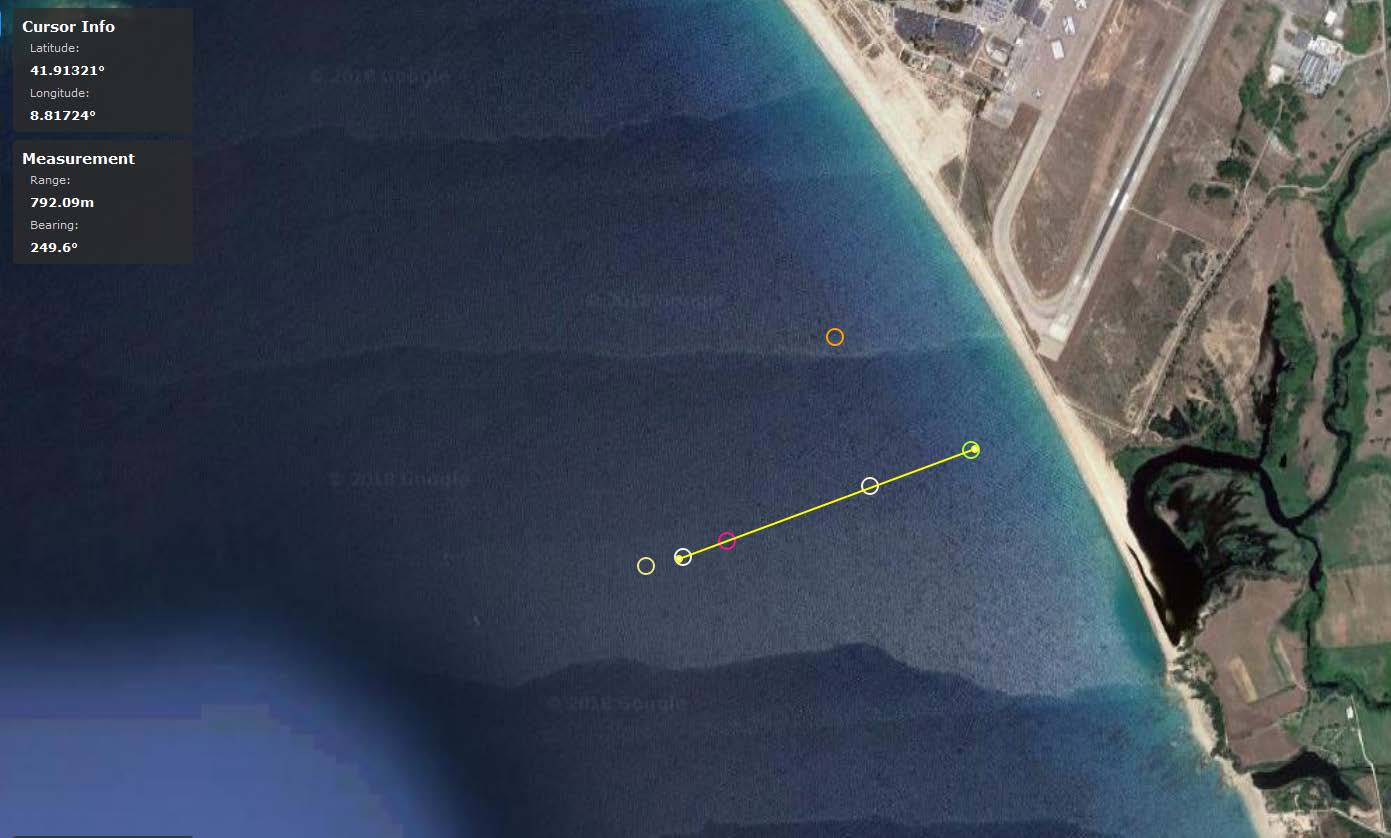
After a first inspection in 2018, the environmental and oceanographic consultancy Creocean mandated Subsea Tech once again to perform structural and environmental surveys on an offshore outfall located in the Gulf of Ajaccio in Corsica. The mission consisted in a visual inspection of the outfall from its outlet to the coast, over a length of about 800m and at a depth varying between 60m and 9m. The objective of this new mission was, among others, to evaluate the evolution of the fauna and flora in the immediate vicinity of the outfall, by comparing the results of the inspection with those obtained in 2018. Subsea Tech used a Guardian mini-ROV equipped with a SeaTrac USBL positioning system to geo-locate the ROV underwater.
Some references
BHP - Port Hardy (Canada): Design/fabrication of a USV for water sampling in a mining pit lake
Sous-Marine Services - Marseille (13): Search and inspection of a wreck at a depth of 73 m off Marseille by Mini-ROV
GALATEA - St-Mandrier (83): Inspection of a leaf plume off Saint-Mandrier
CREOCEAN - Porquerolles (83): Bathymetry at sea between Giens and Porquerolles
GIPREB - Berre l'Etang (13): Monitoring of eelgrass beds in the Etang de Berre by USV and multibeam bathymetry sonar
