
Applications
Underwater Infrastructure and Structure Inspection
The inspection of underwater infrastructure — bridges, dams, seawalls, quays and hydraulic networks — is made complex by the permanent effects of water, currents and sediment. Over time, these phenomena can cause deterioration that affects structural integrity and performance. Our robotic solutions enable safe inspection of these structures, even in zero-visibility conditions or confined spaces.
Typical Underwater Infrastructure Inspection Applications
Our solutions are used to inspect many types of infrastructure:
-
dams and reservoirs
-
bridge piers
-
quay walls and harbor dikes
-
water intakes and pipelines
-
hydraulic tunnels and galleries
-
basins and reservoirs
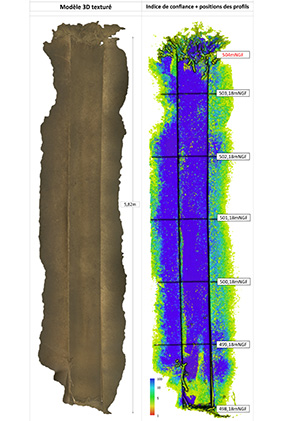
Inspection of Submerged Civil Engineering Structures
The submerged parts of civil engineering structures are exposed to numerous constraints:
-
erosion and scour
-
impacts from debris transported by currents
-
progressive degradation of materials
-
cracks and structural defects
Subsea Tech inspection systems make it possible to identify and measure these defects in order to assess the condition of infrastructures.
Depending on environmental conditions, inspections can combine several technologies:
-
high-definition underwater video inspection
-
imaging sonar for turbid water or zero visibility environments
-
laser systems for defect measurement
-
photogrammetry and 3D reconstruction of structures
Confined Space Inspection by ROV
Many hydraulic infrastructures are partially or completely inaccessible to humans, including:
-
pipelines
-
water transfer tunnels
-
drinking water reservoirs
-
wastewater outfalls
-
industrial tanks
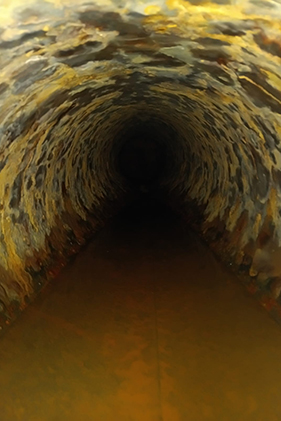
Subsea Tech robotic solutions enable inspection of these environments over several hundred meters while transmitting real-time video feedback.
Robots can also carry various sensors enabling:
-
detection of deposits or sediments
-
measurement of pipe ovalization
-
analysis of wall condition
-
3D reconstruction of confined environments
For long-distance inspections, Subsea Tech also offers systems capable of inspecting several kilometers of galleries or pipelines.
Bathymetric Surveys by USV Drone
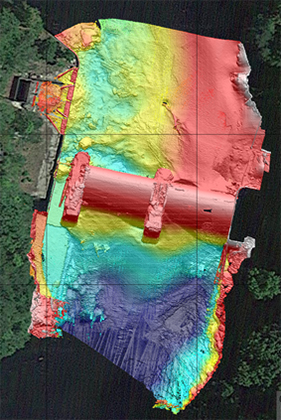
Sediment transport and silting processes continuously modify the morphology of the seabed in reservoirs, rivers, canals, and port areas.
Changes in the seabed can impact:
-
the storage capacity of dams
-
the navigability of ports and canals
-
flood risk management
Bathymetric surveys make it possible to monitor these changes and plan sediment management operations.
Subsea Tech surface drones (USV) enable these surveys to be performed quickly while improving operator safety.
These platforms can carry various sensors including:
-
single-beam echo sounders
-
multibeam echo sounders
-
side-scan sonars
-
hydrological sensors
Recommended Products for Infrastructure Inspection
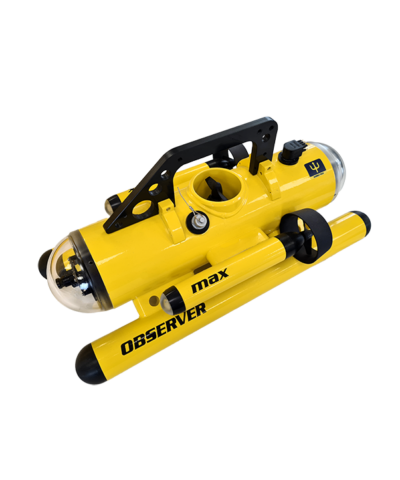
Observer Micro-ROV
Ultra-portable ROV designed for rapid visual inspection of submerged infrastructure, hydraulic networks, and subsea structures. Its compact size and autonomy make it an ideal solution for fast on-site inspections.
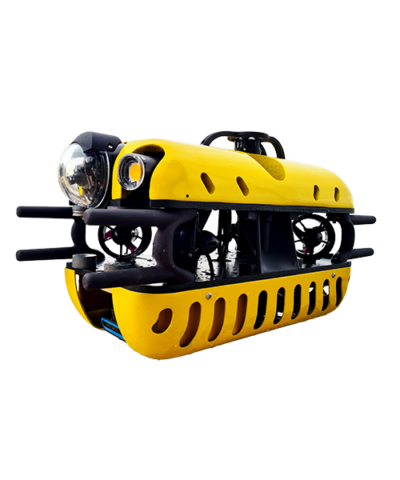
Mini TORTUGA
Robust observation ROV capable of operating at depths of up to 300 m. Its high stability and sensor integration capabilities make it a versatile tool for infrastructure inspection in difficult conditions or low visibility environments.
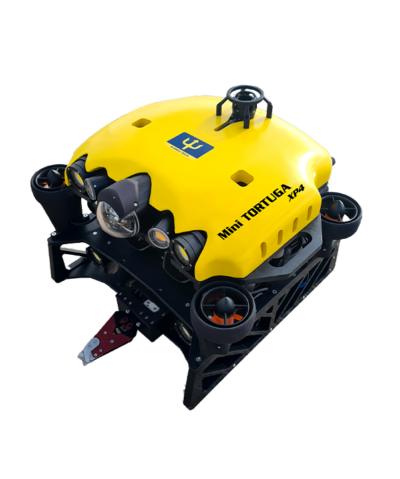
Mini TORTUGA XP4
Advanced version of the Mini TORTUGA offering increased power and stability, allowing integration of sensors and specialized equipment such as 3D photogrammetry systems for digital reconstruction of subsea infrastructure.
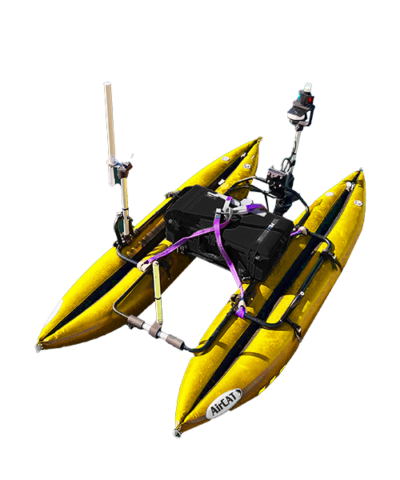
AirCAT USV
Ultra-compact and portable surface drone designed for survey missions, bathymetry, and sensor deployment. Its high modularity makes it an ideal platform for data acquisition in inland waters as well as port environments.
Embedded Technologies
Subsea Tech solutions can integrate a wide range of sensors and tools to adapt systems to the specific needs of each mission.
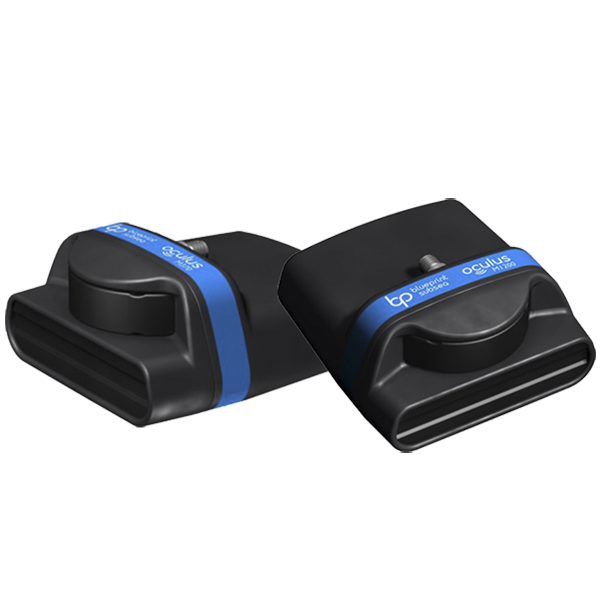
Imaging Sonar
Acoustic cameras provide real-time images of structures even in turbid water or zero visibility conditions.
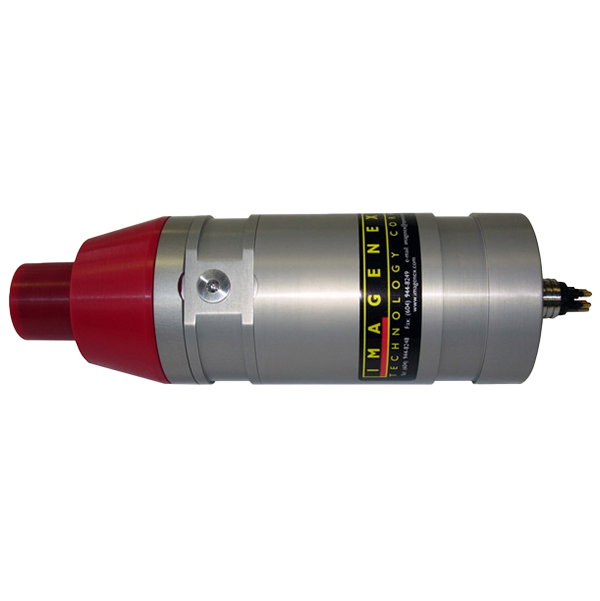
Profiling Sonars
These systems make it possible to evaluate pipe ovalization or estimate sediment levels.
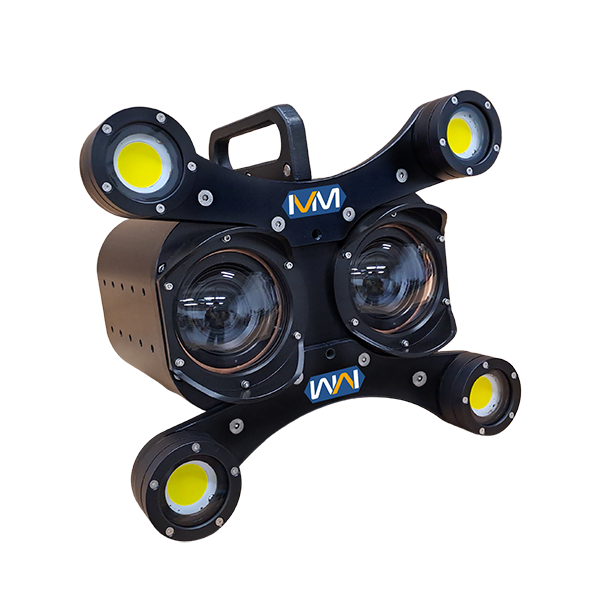
3D Photogrammetry
3D reconstruction systems allow precise modeling of infrastructures to analyze their evolution over time.
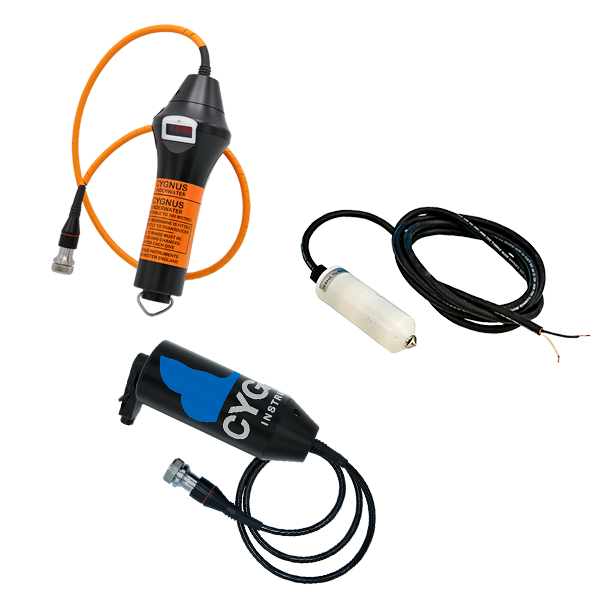
Non-Destructive Testing Tools
ROVs can carry various sensors to measure structural thickness, analyze cathodic protection, or detect structural defects.
To discover all available sensors and equipment, please visit our pages:
Would you like to entrust Subsea Tech with the inspection of your structures? Contact us
