
Applications
Offshore / Marine Energy
Underwater robotics and instrumentation have long been used in the offshore industry to optimize offshore operations, improve intervention efficiency, and enhance operator safety. Robotic technologies now allow many inspection and monitoring operations to be performed without direct human intervention in subsea environments.
Subsea Tech supports offshore and marine energy operators by providing a range of compact and easily deployable robotic solutions. These systems enable underwater inspections, monitoring operations, and maintenance support for subsea infrastructure.
Thanks to their compact design and modularity, Subsea Tech ROVs and surface drones can be rapidly deployed from offshore platforms, support vessels, or small boats.
Typical Applications
Subsea Tech solutions are used in the offshore and marine energy sectors for missions such as:
-
inspection of offshore infrastructure (platforms, foundations, risers)
-
inspection of offshore wind turbine structures
-
inspection of FPSO (Floating Production Storage and Offloading) units
-
inspection of subsea pipelines and cables
-
monitoring and surveillance of offshore installations
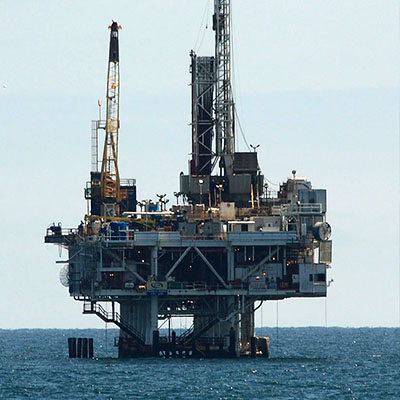
Offshore Infrastructure Inspection
Subsea Tech ROVs are used by many operators in the oil & gas and marine energy sectors to support inspection and maintenance operations on subsea infrastructure.
Their compact size and lightweight design provide great flexibility for deployment from offshore platforms, support vessels, or small boats.
ROVs can integrate various sensors such as high-definition cameras, imaging sonars, and acoustic positioning systems, enabling inspections even in low-visibility conditions.
Typical missions
-
inspection of risers and J-tubes
-
inspection of offshore platform foundations
-
inspection of submerged structures of offshore wind turbines
-
inspection of mooring buoys and anchoring systems
-
estimation of marine growth on subsea structures
FPSO Inspection
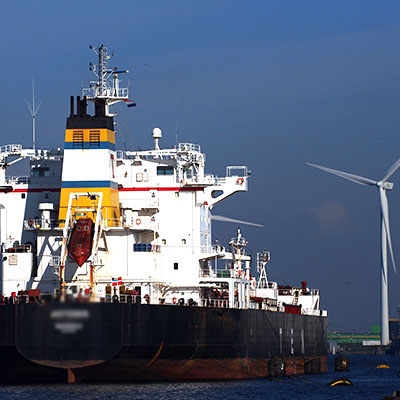
FPSO (Floating Production Storage and Offloading) units are complex infrastructures whose submerged components must be inspected regularly to ensure their integrity and proper operation.
While some operations require large work-class ROVs, many targeted inspections can be performed efficiently using compact mini-ROVs that are easier to deploy.
Subsea Tech mini-ROVs enable operators to quickly inspect sections of hulls or propulsion systems while minimizing the risk of damaging the inspected structures.
They can also integrate non-destructive testing (NDT) tools to perform measurements directly underwater.
Typical missions
-
inspection of FPSO hulls and propulsion systems
-
NDT measurements on submerged structures and anodes
-
inspection of ballast tanks in water
Subsea Pipeline and Cable Inspection
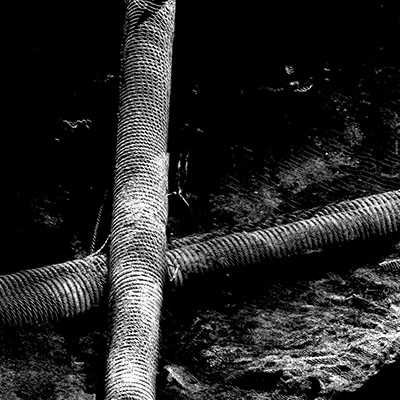
Subsea pipelines and cables are essential infrastructures for the transport of energy and data. Their regular inspection is necessary to ensure structural integrity and prevent potential damage.
When these infrastructures are installed at relatively shallow depths, Subsea Tech mini-ROVs provide an economical and easy-to-deploy solution for performing regular or targeted inspections.
These systems allow operators to detect leaks, structural damage, or anomalies affecting pipelines, cables, or their supporting structures.
Typical missions
-
verification of alignment and integrity of pipelines and cables
-
visual inspection of pipelines for leak detection or structural damage
-
thickness measurement and cathodic protection inspection
-
inspection of pipeline supports and associated structures
Recommended Products
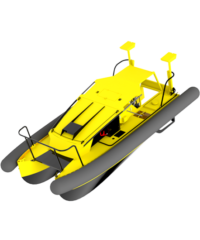
SeaCAT
Surface drone designed for offshore inspection and survey missions. This multi-drone platform can deploy an ROV and additional sensors to inspect subsea infrastructure while remaining remotely operated, reducing both costs and operational risks.
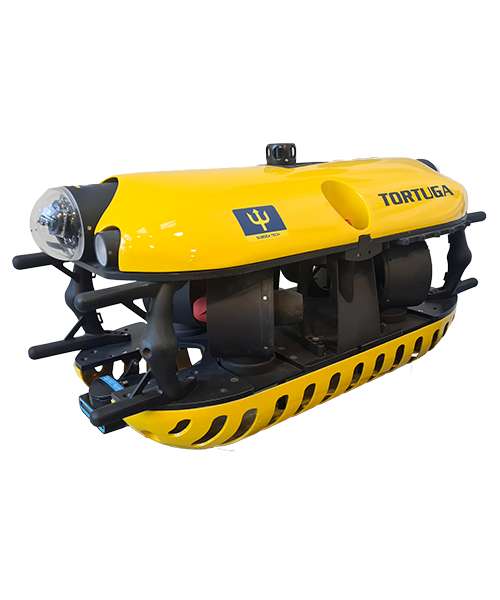
TORTUGA
Robust ROV designed for demanding subsea inspection missions, offering high stability and the ability to integrate multiple sensors for offshore operations.
Embedded Technologies
Subsea Tech solutions can integrate various sensors to adapt systems to offshore inspection missions.
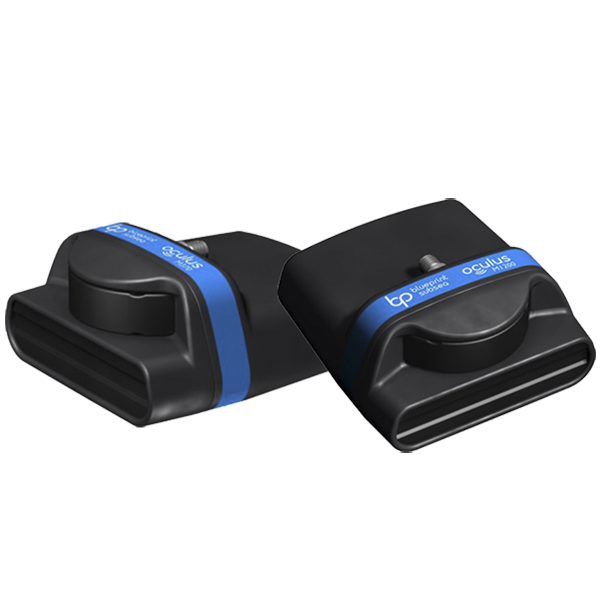
Imaging sonar
Acoustic cameras provide clear images of subsea structures even in turbid water or zero-visibility environments.
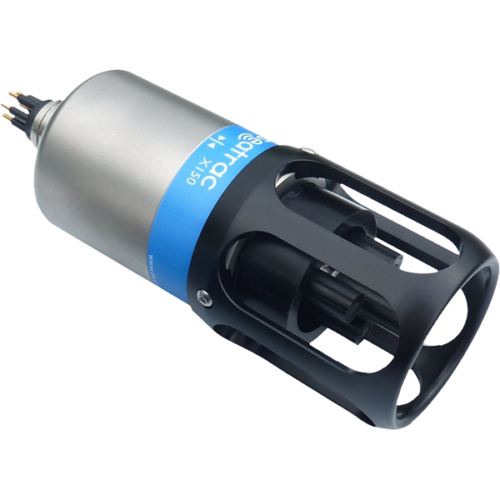
Acoustic positioning systems
USBL systems allow operators to track the position of an ROV or diver during underwater operations.
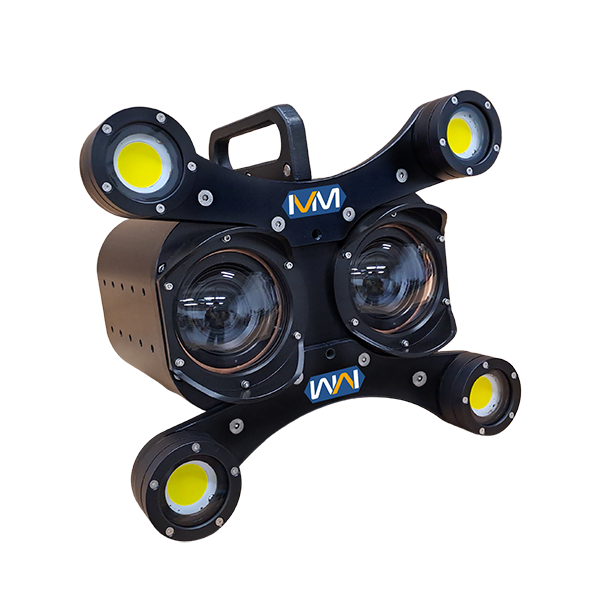
3D photogrammetry
3D reconstruction systems allow precise modeling of offshore infrastructure to monitor structural evolution and optimize maintenance planning.
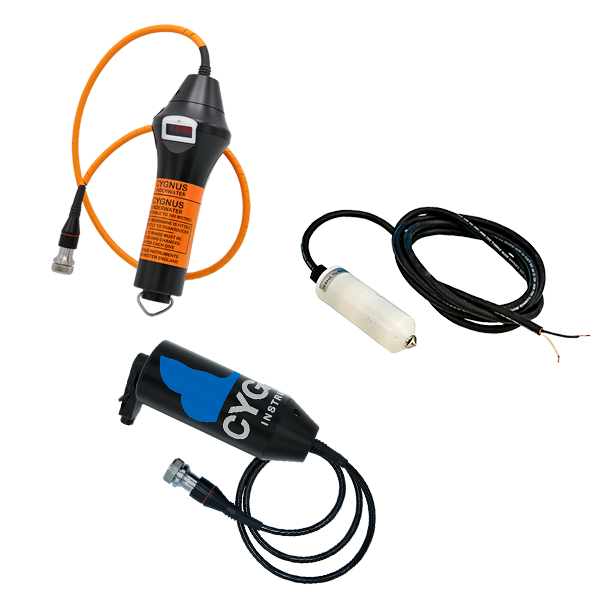
Non-destructive testing tools
ROVs can integrate sensors used to measure structural thickness or analyze cathodic protection systems.
To discover all available sensors and equipment, please visit our pages:
