A major European innovation for the autonomous detection and removal of marine litter
Subsea Tech Hosts the First Demonstration of the SeaClear2.0 Robotic System in Marseille
Discover how SeaClear2.0 is revolutionizing marine litter collection through cutting-edge technology.
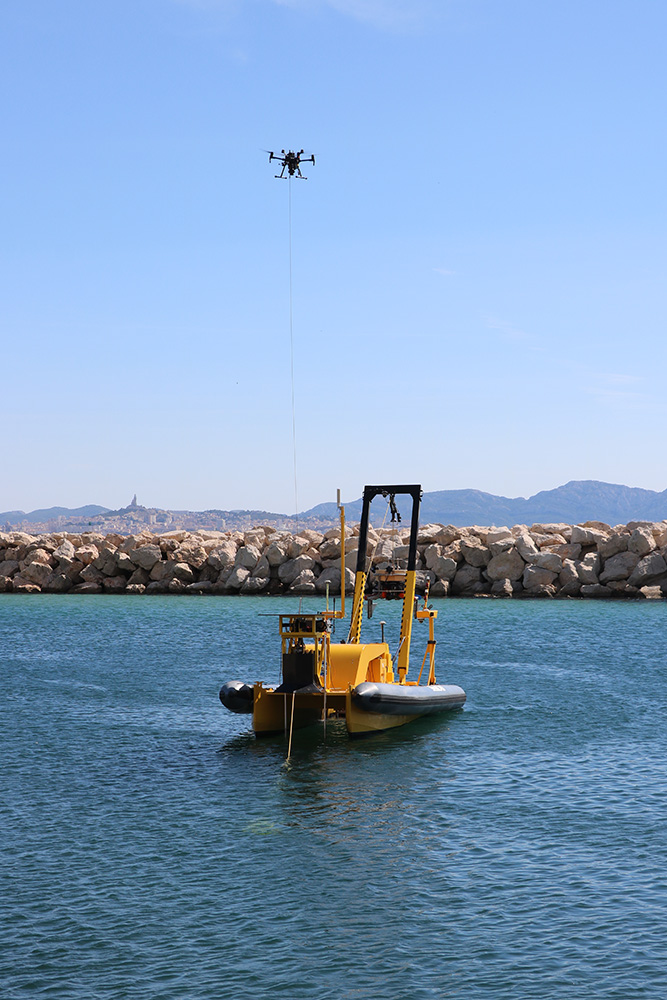
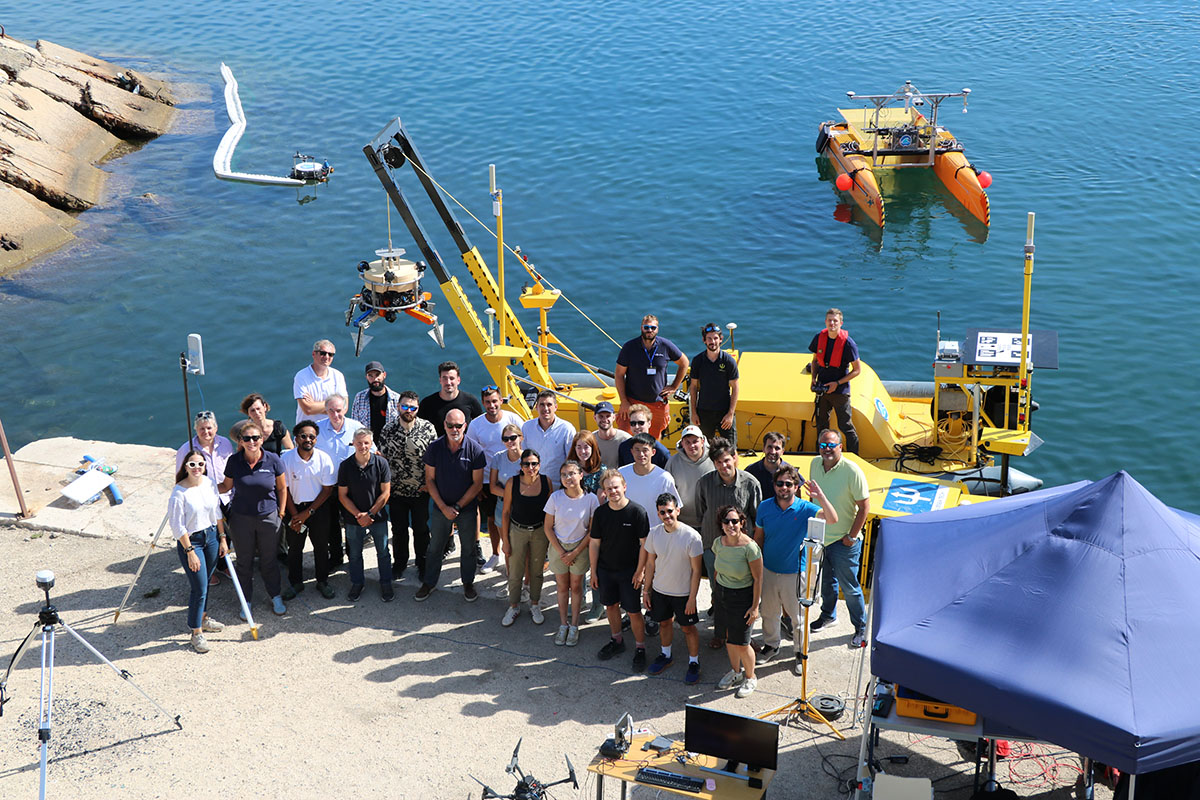
On September 16, 2025, in Marseille, we reached a major milestone in the fight against marine pollution.
Subsea Tech hosted the very first official demonstration of the SeaClear2.0 robotic system — a groundbreaking European innovation dedicated to the autonomous detection and removal of marine litter.
The event took place at our L’Estaque site, overlooking the Mediterranean — a real-world testing ground for a technology designed to restore our oceans.
An Autonomous Robotic Fleet
The SeaClear2.0 project (Grant Agreement No. 101093822), co-funded by the European Union and aligned with the Mission Ocean objectives, represents a turning point in underwater litter remediation.
Its ambition?
To deploy a fully autonomous robotic system capable of:
Mapping the seabed
Detecting and classifying litter using artificial intelligence
Operating with minimal human intervention
Working in complex or high-risk environments
Collecting litter from both the seabed and the water column
A Unique Multi-Robot Collaboration
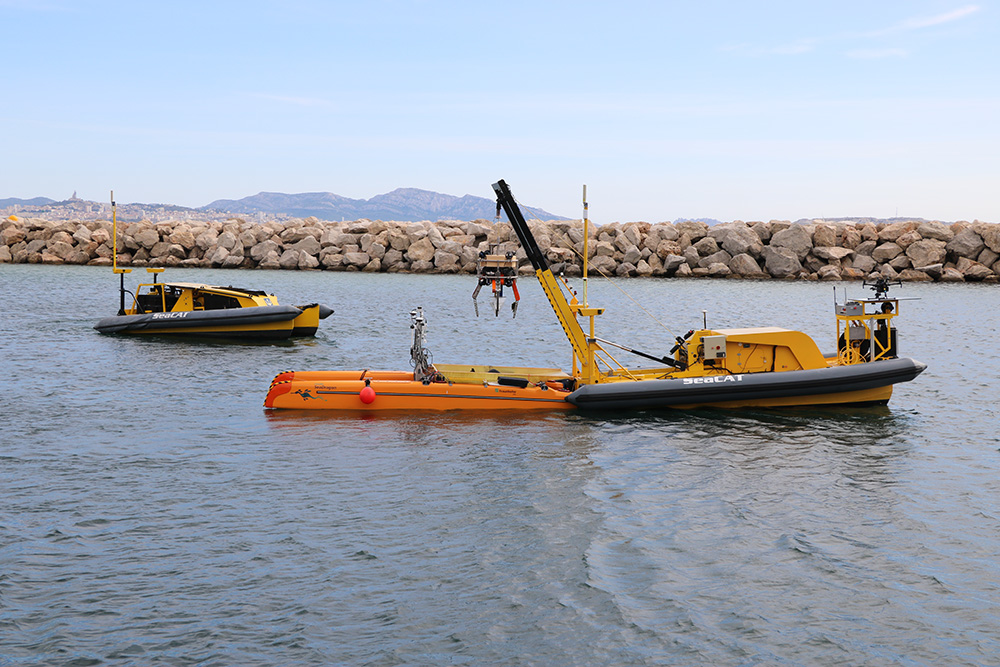
Up to eight autonomous and remotely operated robots can work together:
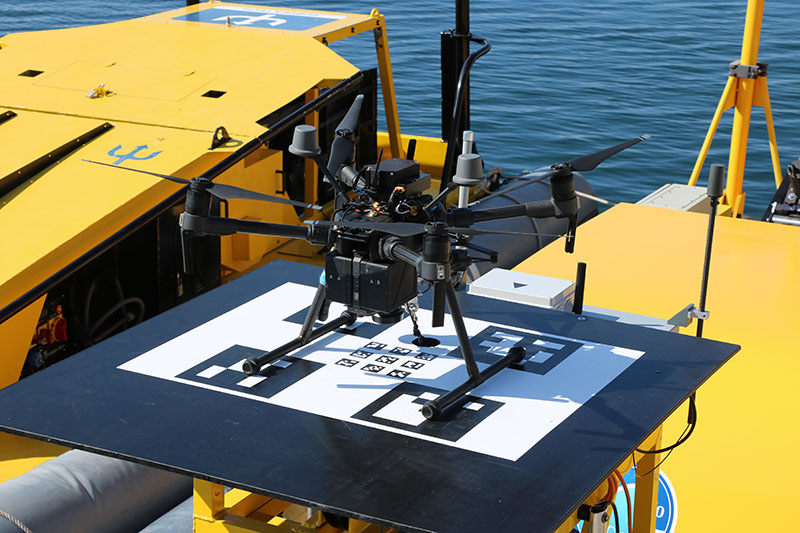
Aerial drone (UAV)
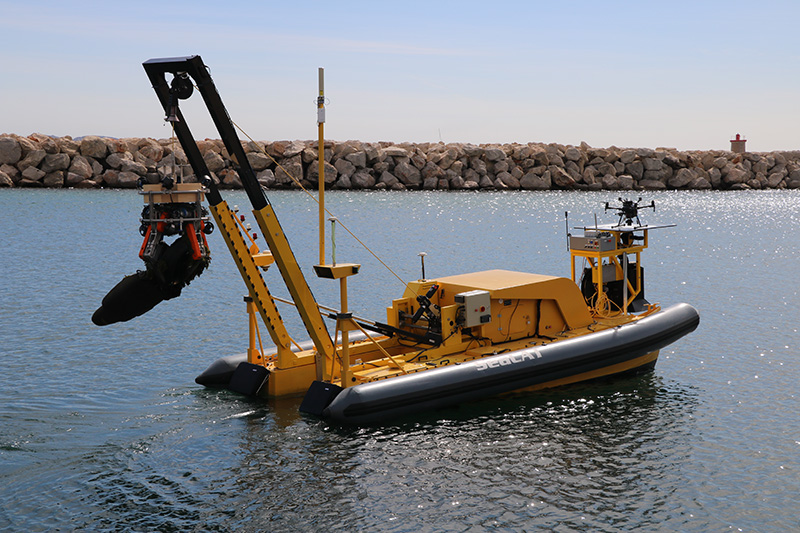
Unmanned Surface Vehicles (USV)
SeaCAT
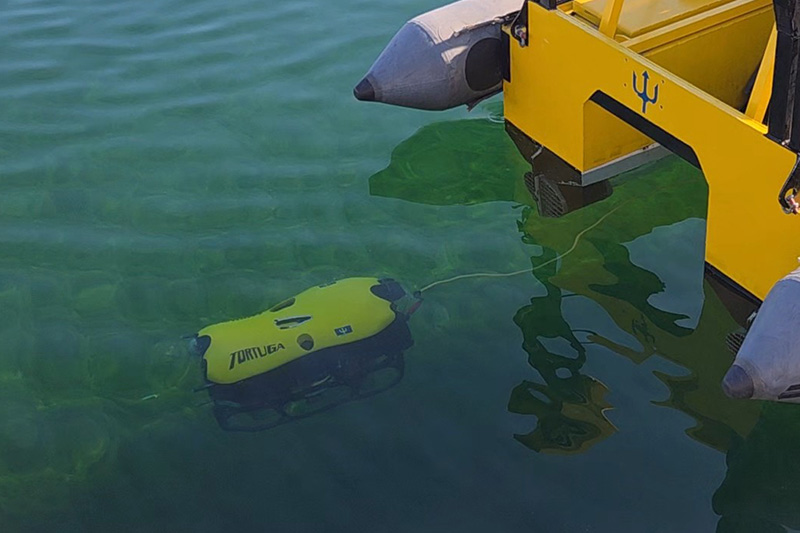
Remotely Operated Vehicles (ROV)
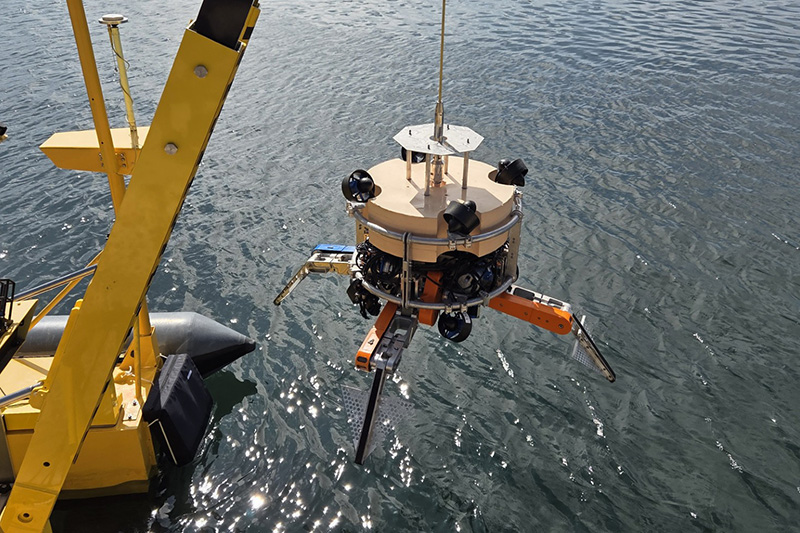
Smart robotic grapple
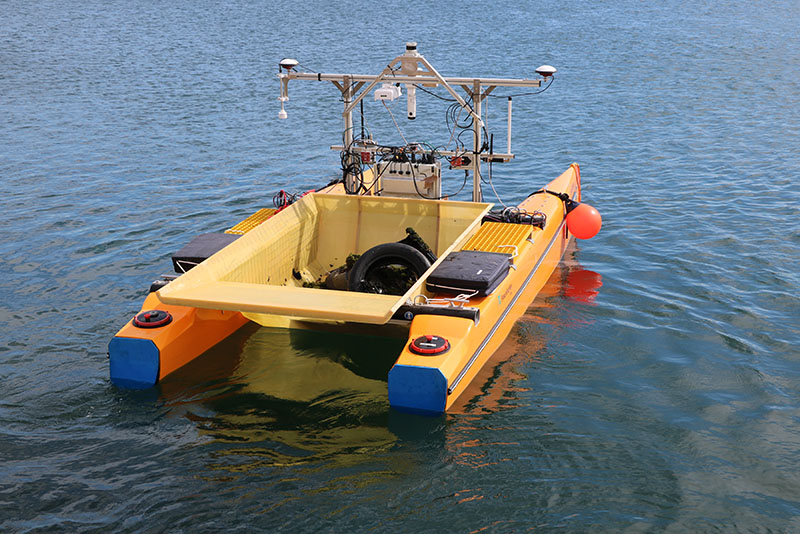
Unmanned Surface Vehicles (USV)
SeaDragon
The system can operate at depths of up to 100 meters and handle objects weighing up to 250 kg.
Why This Innovation Is Crucial
The numbers speak for themselves:
150,000 to 500,000 tons of macroplastics enter European waters every year
An additional 70,000 to 130,000 tons of microplastics
Today, seabed litter detection is:
Costly
Complex
Inaccessible
SeaClear2.0 changes the game by making the operation:
Safer
Faster
More efficient
Economically scalable
We are entering a new era of robotic environmental remediation.
25 Million Tons of Plastic in the Ocean
%
Located on the seabed
An Exclusive Demonstration in Marseille
In-situ mapping
Automated litter identification
Collection operations
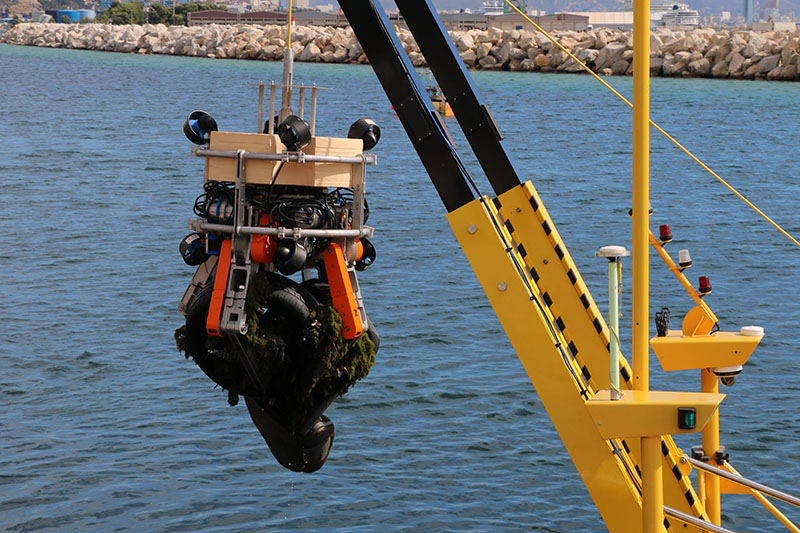
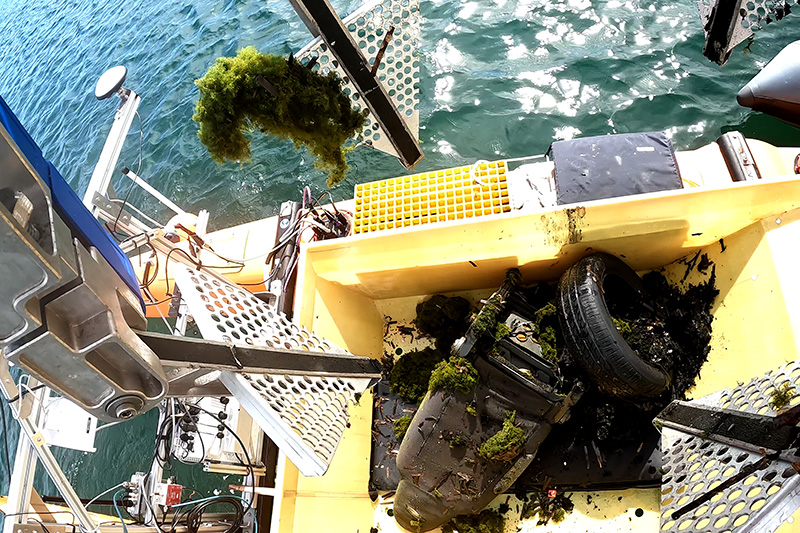
Technology + Public Policy: A Comprehensive Approach
The demonstration was accompanied by a participatory workshop organized by ISOTECH Ltd:
“Defining Solutions and Policy Interventions for Addressing Marine Litter in Marseille”
Objective:
To identify the main local marine waste management challenges and co-develop tailored solutions for the Marseille region, building on ISOTECH’s European policy expertise.
Because cleaning our oceans is not just about technology — it also requires strong coordination between public and private stakeholders.
SeaClear2.0: An Ambitious European Collaboration
The project brings together research institutions, industry leaders, and civil society organizations from nine European countries.