
Applications
ROV and USV Inspection for Aquaculture
ROV and USV inspection for aquaculture addresses growing operational and sanitary challenges for fish farm operators. Nets, anchors, buoys and cage structures require regular monitoring to prevent damage, limit production losses and ensure the safety of installations.
Subsea Tech supports aquaculture operations — particularly in Norway and Chile — with lightweight, cost-effective and easily deployable robotic solutions suitable for any production site.
Typical ROV and USV Inspection Applications in Aquaculture
Subsea Tech solutions are used in the aquaculture sector for missions such as:
-
inspection of fish farm nets and cage structures
-
inspection of anchoring systems and buoys
-
monitoring of production areas
-
recovery of dead fish
-
detection of predator intrusion
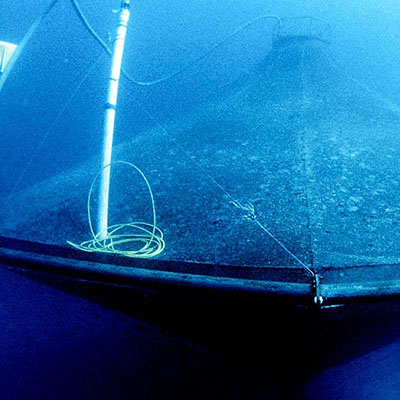
Net, Buoy and Anchor Inspection by ROV
Aquaculture farm infrastructure is exposed to significant environmental constraints such as currents, storms, and biofouling accumulation. Regular inspections are therefore necessary to detect damage or anomalies that could impact production.
Subsea Tech mini-ROVs allow rapid inspection of nets, buoys, and anchoring systems. Thanks to their compact design and ease of deployment, they can be quickly deployed on any aquaculture installation.
Permanent monitoring systems can also be implemented using fixed underwater cameras that transmit real-time video feeds to the surface.
Typical missions
-
visual inspection of nets to detect tears or damage
-
inspection of buoys and cage structures
-
inspection of anchoring systems and estimation of marine growth
Benefits
-
reduced costs compared with diver inspections
-
improved safety of inspection operations
-
flexible and rapid deployment
Dead Fish Recovery by ROV
In some aquaculture operations, regulations require the regular collection of dead fish to maintain sanitary conditions and prevent contamination risks.
Subsea Tech has developed robotic solutions to facilitate these operations. Certain ROVs can tow recovery devices along the bottom of fish cages or basins to collect dead fish efficiently.
Typical missions
-
recovery of dead fish from the bottom of fish cages or basins
-
inspection of production areas to identify accumulation zones
Benefits
-
reduced operational costs compared with traditional methods
-
reduced risks associated with diver interventions
-
faster recovery operations
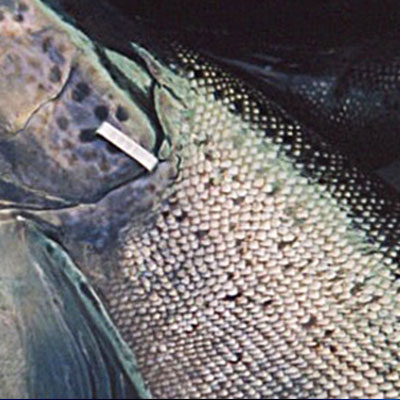
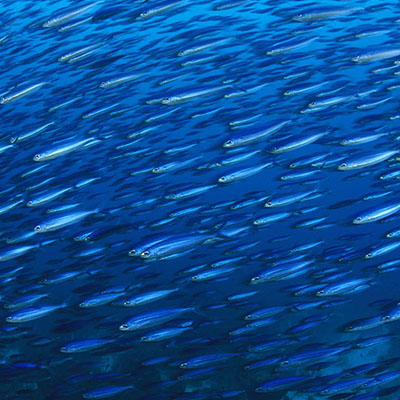
Detection of Predator Intrusion
In some regions of the world, aquaculture farms can be exposed to predator intrusion such as sea lions, sharks, or other marine species.
Underwater monitoring systems allow operators to detect these intrusions and quickly alert personnel in order to protect the installations and production.
Typical missions
-
detection and localization of predator intrusion
-
continuous monitoring of access points to production areas
-
alarm triggering in case of intrusion
Benefits
-
continuous monitoring of production areas
-
improved safety of installations
-
protection of aquaculture production
Recommended Products for Aquaculture
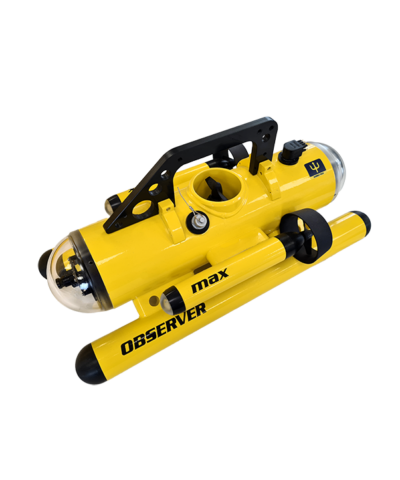
Observer Micro-ROV
Ultraportable battery-powered ROV, requiring no mains supply, for quick visual inspections on any type of aquaculture site.
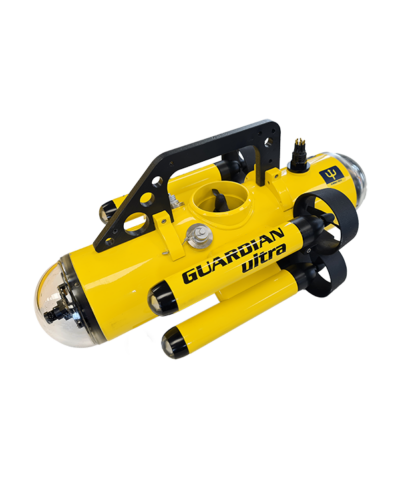
Guardian Micro-ROV
Ultraportable ROV with 4 horizontal thrusters for improved stability and manoeuvrability in currents.
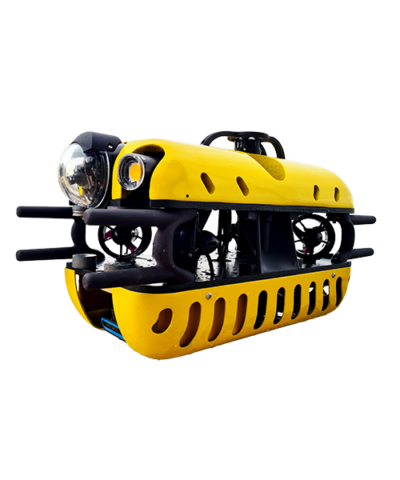
Mini TORTUGA
Ultra-portable ROV designed for quick underwater inspections of nets, cages, and other aquaculture structures.
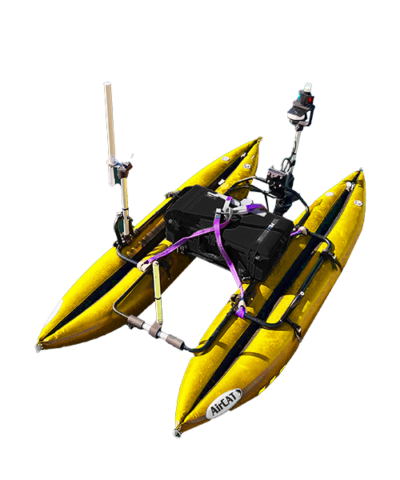
AirCAT USV
Compact surface drone designed for monitoring missions and sensor deployment around aquaculture production areas.
Embedded Technologies
Subsea Tech solutions can integrate various sensors to meet the specific needs of aquaculture operations.
High-definition underwater cameras
Cameras allow detailed visual inspection of nets, cage structures, and underwater equipment.
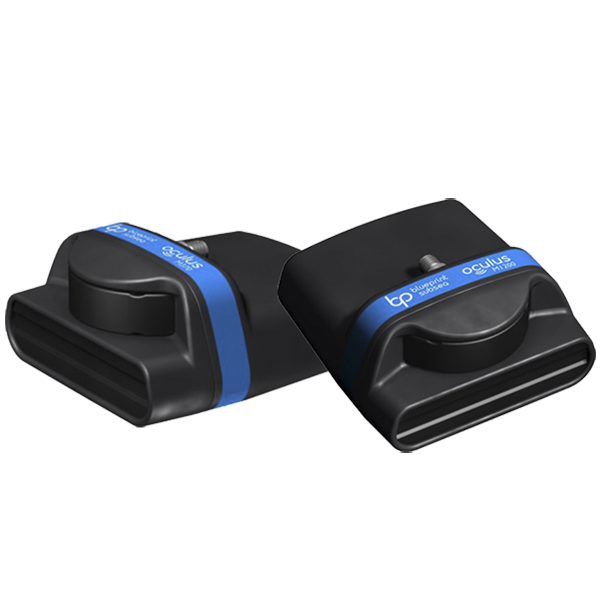
Imaging sonar
Acoustic cameras allow operators to observe structures and fish even in turbid water or low-visibility environments.
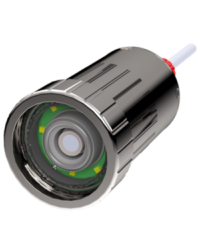
Real-time monitoring systems
Fixed underwater video systems can be installed to provide continuous monitoring of production areas.
To discover all available sensors and equipment, please visit our pages:
Would you like to deploy an inspection solution on your fish farm? Contact us
